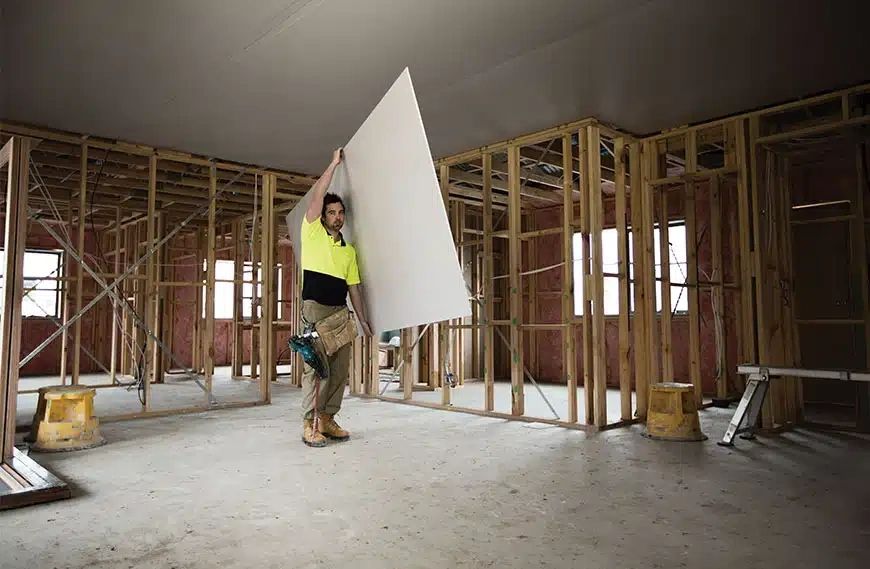
Plasterboard, often referred to as drywall, is a common material used in modern building construction due to its ease of installation and smooth finish. However, over time, accidents and wear can lead to unsightly damage, necessitating repairs. Understanding the best methods for repairing plasterboard can save time, money, and ensure a seamless finish. This article explores various effective techniques for plasterboard repair, providing insight into both traditional and innovative approaches.
Understanding Plasterboard Damage
Before diving into repair methods, it’s crucial to understand the types of damage that can affect plasterboard. Common issues include:
- Dents and dings from furniture or accidental impact.
- Holes from nails, screws, or fixtures.
- Cracks due to structural movement or settling.
- Water damage leading to sagging or disintegration.
Traditional Repair Techniques
Patching Small Holes
Small holes, such as those left by nails, can often be easily repaired using a simple patching compound. Here?s a quick step-by-step guide:
- Clean the area around the hole to remove any dust or debris.
- Apply a small amount of patching compound directly into the hole.
- Use a putty knife to smooth the surface, ensuring it is level with the surrounding wall.
- Allow the compound to dry completely before sanding lightly for a smooth finish.
For more detailed instructions and materials required, discover expert strategies here.
Repairing Larger Holes
Larger holes require more comprehensive repair techniques, often involving the use of a plasterboard patch. The steps include:
- Cut a piece of plasterboard slightly larger than the hole.
- Secure the patch over the hole with adhesive or screws.
- Apply joint compound over the patch, feathering the edges to blend with the existing wall.
- Once dry, sand the area smoothly and repaint as necessary.
Learn about our tailored solutions for large hole repairs here.
Innovative Repair Solutions
Using Self-Adhesive Repair Kits
Self-adhesive repair kits have become increasingly popular due to their convenience and effectiveness. These kits generally include:
- Self-adhesive mesh patches that cover the damaged area.
- Joint compound to smooth over the patch.
- A putty knife for application and smoothing.
These kits are ideal for those seeking a quick fix without compromising on quality. Find out more about this approach.
Professional Plasterboard Repair Services
For those who prefer to leave repair work to professionals, hiring a service specialized in plasterboard repair ensures high-quality results. Professional services can handle:
- Complex damage that requires expert assessment.
- Ensuring a perfect match with existing textures and colors.
- Advanced techniques that minimize downtime and disruption.
Explore advanced guides and tips offered by professional services here.
Conclusion
Repairing plasterboard effectively requires understanding the type of damage and selecting the appropriate method. Whether opting for a DIY solution or enlisting professional help, it’s essential to ensure that the repair maintains the aesthetic and structural integrity of the wall. With the right approach, plasterboard can be seamlessly restored, ensuring longevity and visual appeal in any space.