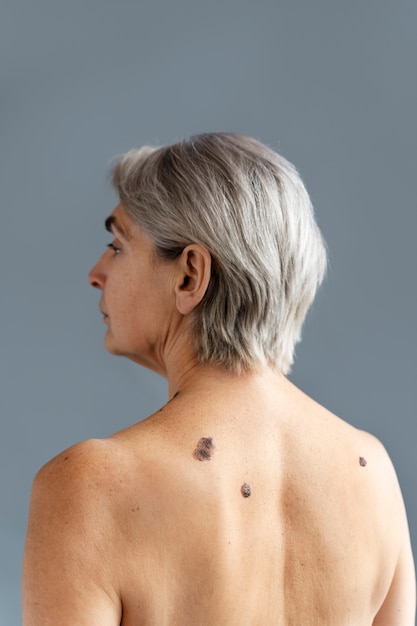
Detecting skin cancer in its early stages can significantly improve treatment outcomes and survival rates. General practitioners (GPs) play a vital role in identifying suspicious skin lesions and guiding patients through further diagnostic procedures. This guide aims to provide GPs with essential information and practical tips for early detection of skin cancer, equipping them with the knowledge to make informed clinical decisions.
Understanding Skin Cancer
Skin cancer is the most common form of cancer globally, with various types including melanoma, basal cell carcinoma, and squamous cell carcinoma. Each type has distinct characteristics and risk factors, but they all benefit from early detection.
Types of Skin Cancer
- Melanoma: This is the most dangerous form of skin cancer, originating in the pigment-producing melanocytes. It is known for its rapid spread if not detected early.
- Basal Cell Carcinoma: The most common type, often appearing as a shiny bump or a persistent sore that doesn’t heal. It is less likely to spread but can cause significant local damage.
- Squamous Cell Carcinoma: This type may present as a scaly patch or a firm red nodule. It has a higher tendency to spread compared to basal cell carcinoma.
Risk Factors and Prevention
Understanding risk factors is crucial for prevention and early detection. GPs should educate patients about the following risk factors:
- Excessive UV exposure from sunlight or tanning beds.
- Fair skin, light hair, and eye color.
- Family history of skin cancer.
- Presence of numerous or atypical moles.
- History of sunburns, especially in childhood.
Preventive measures include regular use of sunscreen, wearing protective clothing, and avoiding peak sun exposure times.
Early Detection Techniques
GPs can employ several techniques to detect skin cancer early, ensuring timely intervention and referral to specialists when necessary.
ABCDE Rule
The ABCDE rule is a common guideline for evaluating moles and skin lesions. Each letter represents a characteristic that should be assessed:
- A – Asymmetry: One half of the mole does not match the other half.
- B – Border: Look for irregular, notched, or blurred edges.
- C – Color: Varying shades of brown, black, or other colors.
- D – Diameter: Greater than 6mm, about the size of a pencil eraser.
- E – Evolving: Changes in size, shape, color, or symptoms such as itching or bleeding.
Dermatoscopy
Dermatoscopy is a non-invasive skin imaging technique that can enhance the visual assessment of skin lesions. GPs trained in dermatoscopy can improve diagnostic accuracy and decide which lesions require biopsy or referral.
Regular Skin Checks
Encouraging patients to perform regular self-examinations and scheduling routine skin checks can aid in the early detection of suspicious lesions. Patients should be advised to report any new or changing lesions promptly.
Referral and Management
When a suspicious lesion is identified, GPs should consider biopsy or referral to a dermatologist or a specialized skin cancer GP. Clear communication with patients regarding the importance of follow-up and potential outcomes is crucial.
Proactive management strategies, including patient education and routine monitoring, can significantly reduce the impact of skin cancer. By staying informed and vigilant, GPs can play an instrumental role in early diagnosis and improved patient outcomes.
Conclusion
Early detection of skin cancer is critical in reducing morbidity and mortality associated with the disease. GPs are on the front lines of this effort, equipped with the tools and knowledge to identify and manage suspicious skin lesions. Through continued education and patient engagement, the goal of reducing skin cancer incidence and improving survival rates is within reach.
