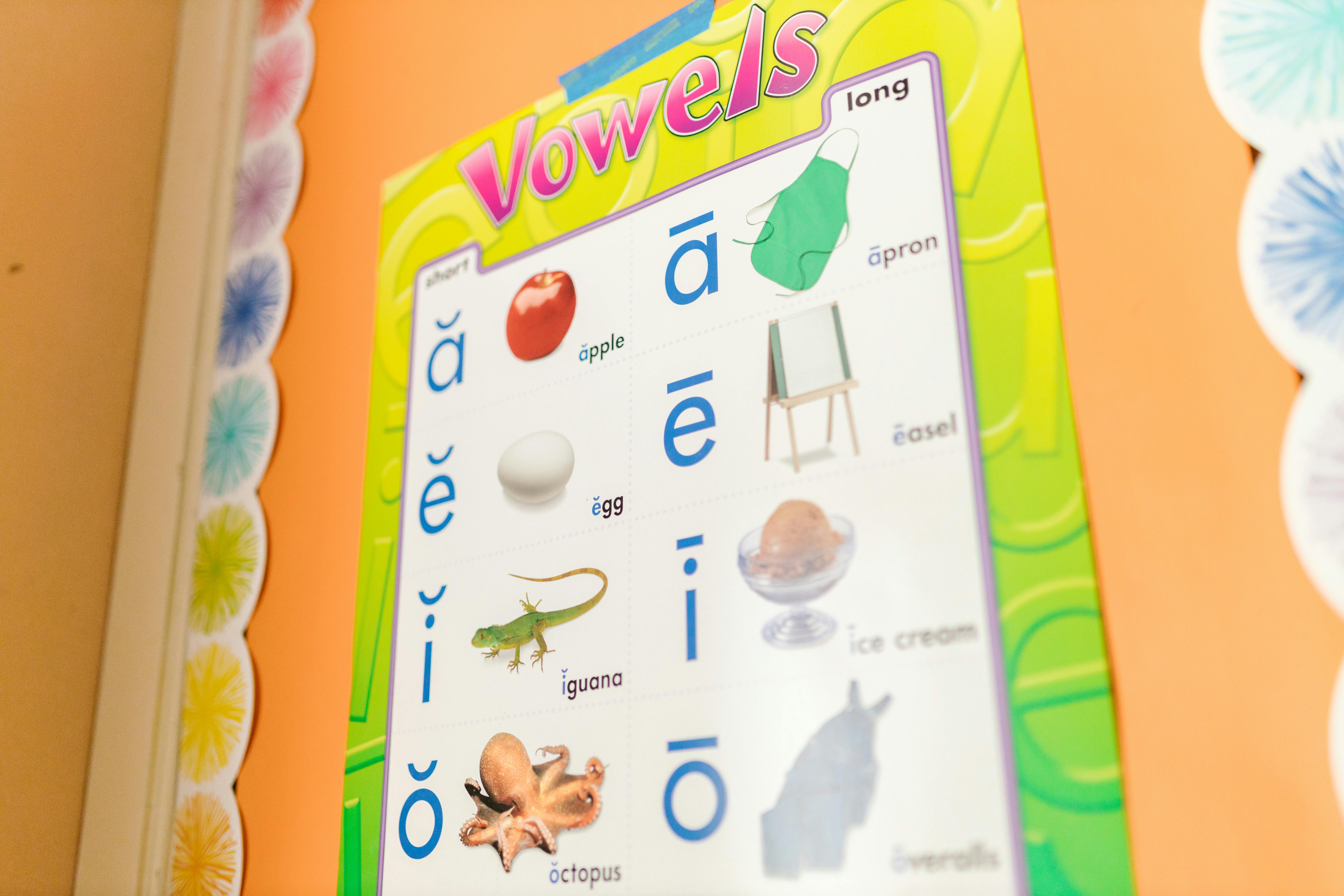
Understanding climate and weather is a fundamental part of a child’s education. It can spark curiosity about the natural world and instill a sense of responsibility towards environmental stewardship. Introducing a weather learning chart is an effective way to teach kids about the different elements that make up our climate. This educational tool can help children grasp complex concepts like precipitation, temperature variations, and wind patterns in a visual and engaging manner. By using a weather chart, children can explore scientific principles and develop critical thinking skills essential for their future.
Components of a Weather Learning Chart
A weather learning chart typically includes several key components, each designed to break down the complexities of climate science into digestible information for young minds. Here are the primary elements:
- Temperature Tracking: This involves recording daily highs and lows, helping children understand temperature fluctuations.
- Precipitation Types: Visual aids showing rain, snow, sleet, and hail can illustrate how precipitation varies.
- Wind Patterns: Directional arrows and speed indicators can teach kids about wind dynamics.
- Seasonal Changes: Charts highlighting how weather changes with seasons, fostering an understanding of cyclical climate patterns.
- Weather Symbols: Simple icons for sunny, cloudy, rainy, and stormy weather make it easy for kids to record observations.
For more information on incorporating these components effectively, discover expert strategies here.
Benefits of Using Weather Charts for Kids
Educational weather charts offer numerous benefits for young learners. By interacting with these charts, children can gain:
- Enhanced Cognitive Skills: By analyzing weather patterns, kids develop analytical and problem-solving abilities.
- Hands-On Learning Experience: Engaging with physical charts helps solidify abstract concepts through tangible interaction.
- Environmental Awareness: Understanding weather phenomena can foster a deeper appreciation for the environment.
- Improved Observational Skills: Regular updates to the chart encourage kids to observe and note daily weather changes.
To explore advanced guides and tips on maximizing these benefits, learn about our tailored solutions.
How to Create a Weather Learning Chart
Creating a weather learning chart can be a fun and educational project for both teachers and parents. Here are some steps to guide the process:
Materials Needed
- Large poster board or corkboard
- Markers, crayons, or colored pencils
- Weather stickers or printed icons
- Thermometer and anemometer (optional for accurate readings)
- Daily weather journal
Steps to Create the Chart
- Divide the board into sections for each weather element like temperature, precipitation, and wind.
- Create a space for daily updates, where kids can record their observations and measurements.
- Use vibrant colors and engaging visuals to capture attention and make learning fun.
- Incorporate interactive elements, such as movable symbols or sliders, to demonstrate changing conditions.
- Encourage children to compare their recorded data with local weather forecasts, fostering accuracy.
For comprehensive instructions and detailed guidance on crafting effective charts, find out more about this approach.
Integrating Weather Charts into Education
Weather charts can be integrated into various educational settings, from classroom environments to home schooling. They provide a multidisciplinary approach to learning, combining science, mathematics, and even art. Teachers can use these charts to complement lessons on geography and environmental science, while parents can incorporate them into daily routines to reinforce learning outside the classroom.
For educators and parents seeking to expand their educational strategies, explore advanced guides and tips on integrating weather charts effectively.
In conclusion, a weather learning chart is a versatile educational tool that fosters a deeper understanding of climate science among children. By engaging with these charts, kids learn to appreciate the complexity of the natural world and develop a lifelong interest in environmental issues.