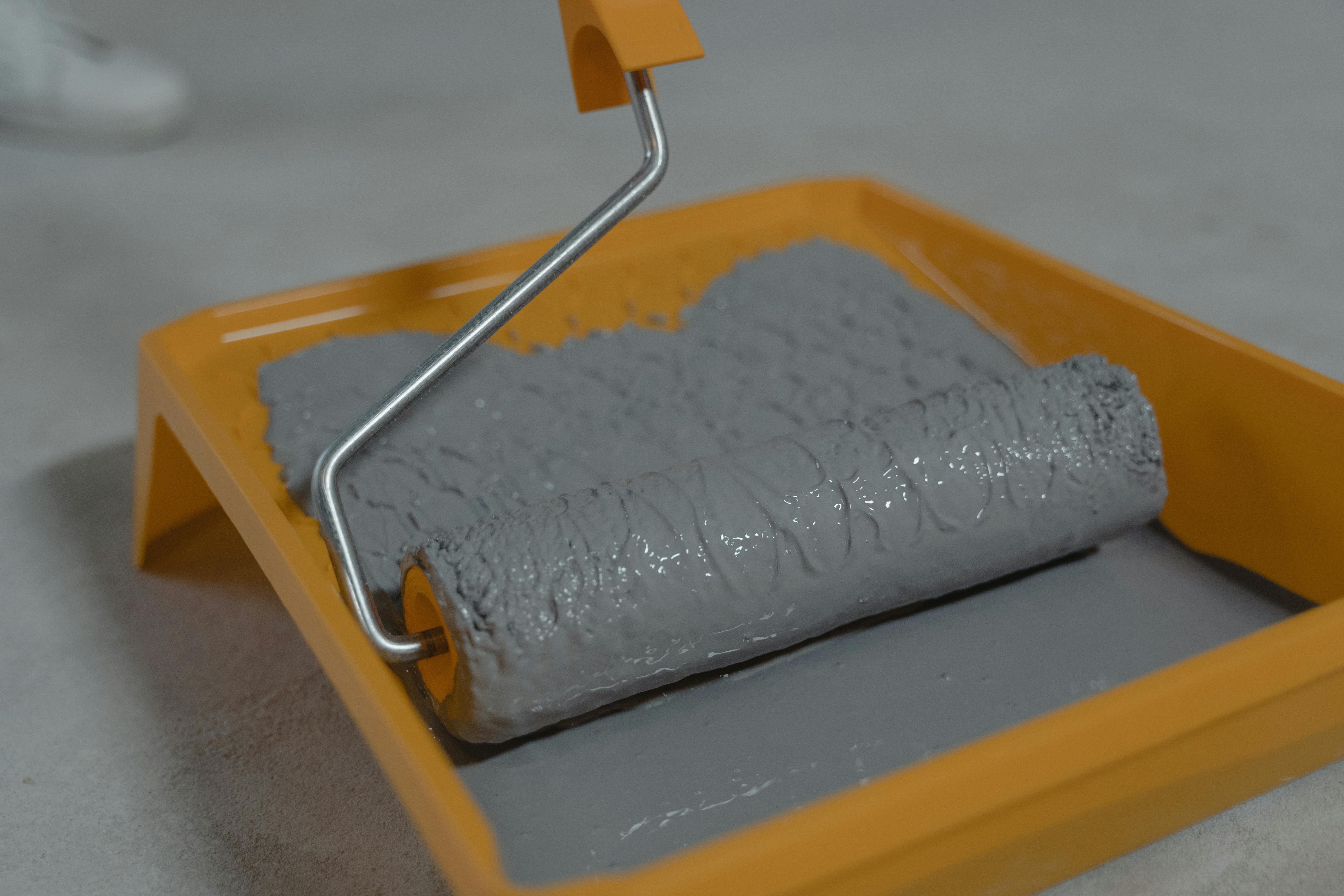
Automotive refinishing paints play a crucial role in the maintenance and aesthetic enhancement of vehicles. Whether restoring an old model to its former glory or enhancing a newer vehicle’s appearance, refinishing paints offer numerous benefits. They not only rejuvenate the exterior look but also provide protection against environmental elements. This article explores the importance of automotive refinishing paints, the types available, and the process involved in applying them.
Understanding Automotive Refinishing Paints
Refinishing paints are specially formulated coatings applied to vehicles to enhance their appearance and durability. These paints are designed to withstand various environmental conditions while providing a glossy finish.
Types of Refinishing Paints
- Acrylic Enamel: Known for its durability and glossy finish, acrylic enamel is a popular choice for many vehicle owners.
- Urethane: Offers excellent resistance to chipping and fading, making it ideal for long-term protection.
- Waterborne Paints: An environmentally friendly option, these paints reduce harmful emissions and provide a smooth finish.
To read more about this topic, understanding the differences between these paint types can help in selecting the right product for specific needs.
The Process of Automotive Refinishing
Refinishing a vehicle involves several key steps to ensure a quality finish. This process requires precision and attention to detail to achieve the desired outcome.
Preparation
Preparation is crucial for a successful refinishing job. The vehicle’s surface must be thoroughly cleaned and sanded to remove any imperfections. This step often includes:
- Cleaning: Removing dirt, grease, and old paint layers to create a smooth substrate.
- Sanding: Smoothing the surface to ensure proper adhesion of the new paint.
- Masking: Protecting areas that should not be painted, such as windows and trim.
Application
Once the preparation is complete, the application of the refinishing paint can begin. This involves careful application techniques to achieve an even coat and vibrant finish.
- Primer Application: A base coat that enhances paint adhesion and durability.
- Paint Application: Applied in multiple coats to achieve the desired color and finish.
- Clear Coat: Provides a protective layer and enhances the paint’s gloss and durability.
Explore further insights here on the intricacies of automotive paint application techniques and tips for achieving a professional finish.
Benefits of Upgrading with Refinishing Paints
Choosing to upgrade your vehicle with refinishing paints offers several advantages:
- Enhanced Aesthetics: A fresh paint job can dramatically improve the vehicle’s appearance, making it look newer and well-maintained.
- Increased Resale Value: A well-maintained exterior can increase the vehicle’s appeal to potential buyers.
- Protection: Refinishing paints protect against UV rays, chemicals, and physical damage.
- Customization: Offers the opportunity to personalize the vehicle’s color and finish to match individual style preferences.
Find additional information here about the long-term benefits of investing in high-quality automotive refinishing paints.
Conclusion
Investing in automotive refinishing paints is an effective way to enhance and protect a vehicle. By understanding the types of paints available and the refinishing process, vehicle owners can make informed decisions that align with their aesthetic and functional needs. Learn more in this detailed guide to ensure the best outcomes for your vehicle’s refinishing project.