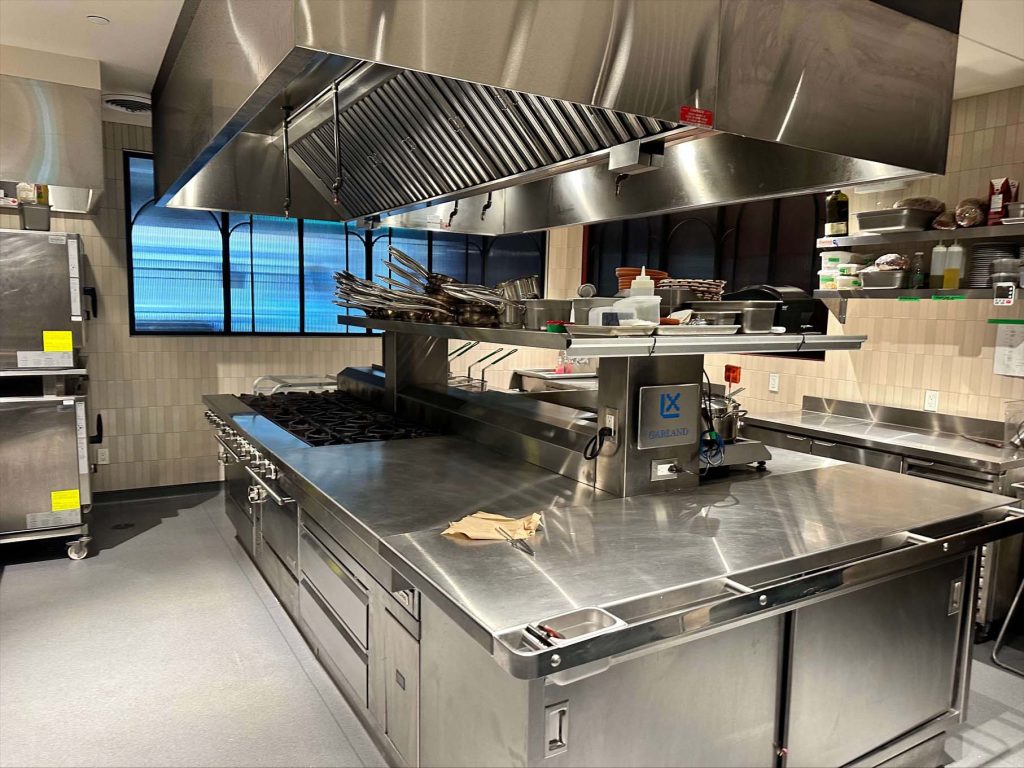
Effective kitchen ventilation is more than a convenience, it is a critical component of safety, energy efficiency, and food quality in both residential and commercial settings. By controlling heat, moisture, smoke, and airborne contaminants, proper ventilation protects equipment, preserves the integrity of dishes, and creates a comfortable environment for chefs and diners alike. Understanding the fundamentals helps anyone from a home cook to a restaurant manager make informed decisions about system design, maintenance, and upgrades.
Why Kitchen Ventilation Matters
Ventilation systems perform several essential functions that directly impact the operation of a kitchen:
- Heat removal: Cooking generates high temperatures that can strain HVAC systems and create uncomfortable working conditions.
- Moisture control: Steam and condensation can lead to mold growth, equipment corrosion, and slippery floors.
- Smoke and odor extraction: Removing combustion by-products maintains air quality and prevents lingering smells.
- Fire safety: Proper hood and duct design reduces the risk of grease fires spreading.
- Energy efficiency: A well-balanced system reduces the load on heating and cooling units, lowering utility costs.
Core Components of a Kitchen Ventilation System
Exhaust Hoods
Exhaust hoods capture rising heat, steam, and grease particles directly above cooking surfaces. The effectiveness of a hood depends on its capture velocity, size relative to the cooking equipment, and the type of filters used.
Ductwork
Properly sized and insulated ducts transport contaminated air to the outside. Key considerations include:
- Minimal bends to reduce pressure loss.
- Use of stainless-steel or aluminum for grease resistance.
- Regular cleaning schedules to prevent buildup.
Make-up Air
When large volumes of air are exhausted, fresh make-up air must be introduced to maintain pressure balance. This can be supplied through dedicated intake vents, HVAC return air, or controlled openings.
Design Principles for Optimal Performance
Designing a ventilation system that meets the specific demands of a kitchen involves several best-practice guidelines:
- Calculate airflow requirements: Typically expressed in cubic feet per minute (CFM), airflow is based on the type of cooking equipment and the heat output of each appliance.
- Select appropriate hood types: Conventional hoods, island hoods, and downdraft systems each serve different layouts and cooking styles.
- Ensure proper duct sizing: Oversized ducts can cause low velocity, while undersized ducts increase static pressure and noise.
- Incorporate grease filters: Baffle, mesh, or UV-treated filters capture particulates before they enter the duct system.
- Plan for maintenance access: Removable panels and hinged ducts simplify cleaning and inspection.
For a deeper dive into these concepts, Discover expert strategies here.
Maintenance and Cleaning Best Practices
Even the most sophisticated ventilation system loses efficiency without regular upkeep. A proactive maintenance plan extends equipment life and ensures compliance with health and safety regulations.
- Weekly visual inspections: Look for grease buildup, damaged filters, and unusual noises.
- Monthly filter cleaning or replacement: Follow manufacturer guidelines for each filter type.
- Quarterly duct cleaning: Professional services use high-pressure air and specialized brushes to remove accumulated grease.
- Annual system testing: Verify airflow rates, fire suppression functionality, and make-up air balance.
Guidance on establishing a reliable maintenance schedule can be found at Learn about our tailored solutions.
Energy Efficiency Considerations
Ventilation is often one of the largest energy consumers in a commercial kitchen. Implementing energy-saving measures can significantly reduce operational costs:
- Install variable-speed fans that adjust airflow based on real-time cooking activity.
- Use demand-controlled ventilation (DCV) sensors to modulate exhaust rates automatically.
- Seal duct joints and insulate exposed runs to prevent heat loss.
- Integrate heat recovery ventilators (HRVs) to capture waste heat for pre-heating water or space heating.
For practical tips on improving efficiency, Explore advanced guides and tips.
Regulatory Standards and Compliance
Compliance with local building codes, fire codes, and health department regulations is mandatory. Common standards include:
- National Fire Protection Association (NFPA) 96 – Standard for Ventilation Control and Fire Protection of Commercial Cooking Operations.
- International Mechanical Code (IMC) – Duct sizing and installation requirements.
- ASHRAE 62.1 – Ventilation for Acceptable Indoor Air Quality.
Staying up-to-date with these requirements helps avoid costly penalties and ensures a safe working environment. More information on compliance can be accessed by Find out more about this approach.
Choosing the Right System for Your Kitchen
Selecting a ventilation solution involves evaluating the kitchen’s size, cooking methods, and budget constraints. Consider the following decision points:
- Cooking volume: High-output grills and fryers demand larger hoods and higher CFM.
- Layout: Open-concept kitchens may benefit from island hoods or downdraft units.
- Noise tolerance: Acoustic liners and low-speed fans reduce sound levels.
- Future expansion: Modular duct systems allow easy scaling.
Professional consultation can match system specifications to operational needs, ensuring optimal performance and longevity.
Conclusion
Understanding the basics of kitchen ventilation equips culinary professionals and property owners with the knowledge to create safer, more comfortable, and energy-efficient cooking environments. By focusing on proper system design, diligent maintenance, and adherence to regulatory standards, a kitchen can operate at peak performance while protecting both staff and patrons. Continuous learning and periodic system reviews are essential, and resources such as the links provided throughout this article offer valuable guidance for ongoing improvement.
