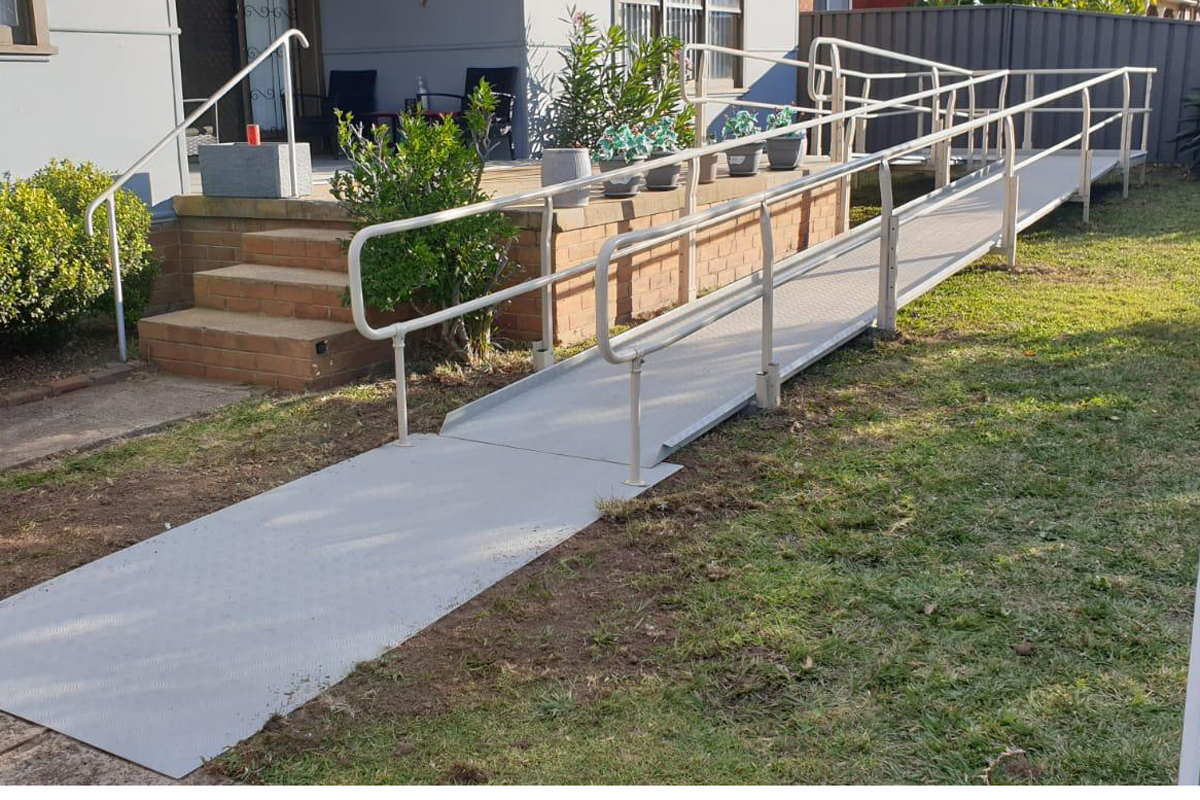
Installing ramps can significantly improve accessibility for individuals with mobility challenges, providing a safe and convenient way to navigate different levels of a building. Whether for residential or commercial purposes, the installation of ramps should be carried out with careful planning and consideration to ensure safety, compliance with regulations, and user comfort. This article provides expert tips on how to install ramps effectively and securely, focusing on crucial aspects such as design, materials, and maintenance.
Understanding the Basics of Ramp Installation
Compliance with Regulations
Before installing a ramp, familiarize yourself with local building codes and regulations. These guidelines ensure that the ramp is safe and accessible for everyone. Key considerations include:
- Ensuring the ramp meets the minimum width requirements.
- Maintaining a slope that is not too steep for safety and usability.
- Providing handrails for support, especially on longer ramps.
Choosing the Right Materials
The choice of materials plays a vital role in the durability and safety of a ramp. Consider the following materials:
- Concrete: Durable and low maintenance, ideal for permanent installations.
- Aluminum: Lightweight and resistant to corrosion, suitable for modular and portable ramps.
- Wood: A cost-effective option, though it requires regular maintenance to prevent weather damage.
Design Considerations for Ramps
Determining the Slope and Length
The slope of a ramp is a critical factor in its usability. A gentle slope is preferred to ensure ease of use for wheelchairs and walkers. As a general guide, a ratio of 1:12 (one inch of rise for every 12 inches of ramp length) is recommended. This ensures the ramp is not only functional but also safe for users.
Additionally, consider the total rise (height) that the ramp needs to accommodate. This will determine the overall length of the ramp, which is essential for planning its installation in the available space.
Incorporating Safety Features
Safety features are crucial for preventing accidents and ensuring user confidence. Consider incorporating:
- Non-slip surfaces to provide grip in wet or icy conditions.
- Edge protection to prevent wheelchairs from slipping off.
- Landings at the top and bottom of the ramp for rest and maneuverability.
Maintenance and Inspection
Regular maintenance and inspection are key to keeping ramps in safe working condition. Establish a routine that includes:
- Checking for wear and tear, especially on the surface and handrails.
- Ensuring that all bolts and fasteners are secure.
- Cleaning debris and snow to maintain a clear path.
Conclusion
Installing ramps with careful consideration to design, materials, and safety standards ensures that they are both effective and safe for all users. By adhering to regulations and incorporating necessary safety features, ramps can provide a reliable means of access, enhancing the quality of life for individuals with mobility challenges. For those looking for tailored solutions, exploring customized ramp options can provide the perfect fit for unique needs, ensuring optimal functionality and safety.