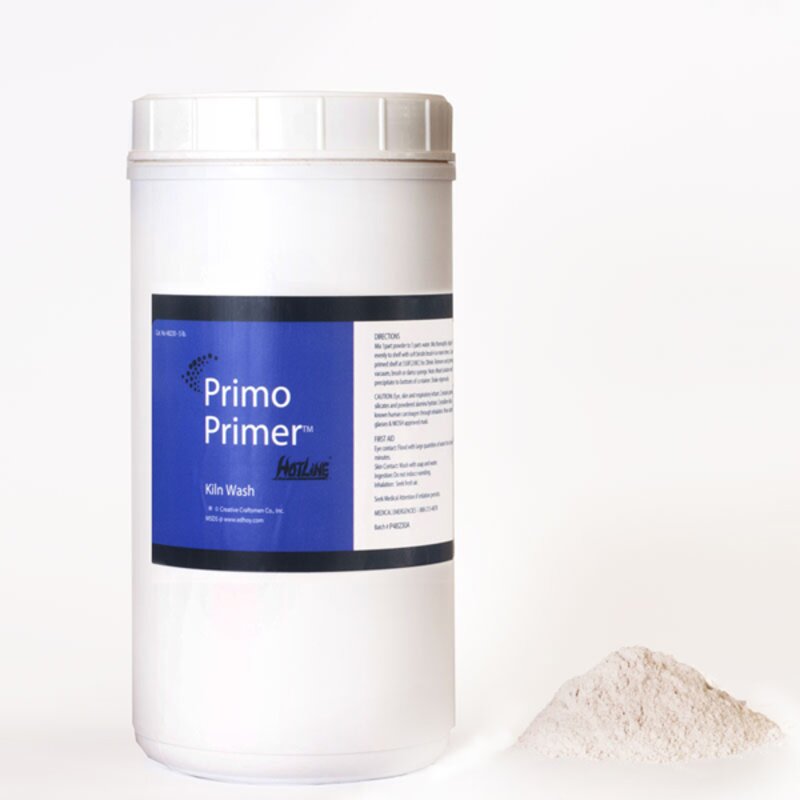
In the world of glass art, kiln wash is an essential tool for artists who wield the transformative power of heat. This protective coating provides a barrier between the delicate glass and the kiln shelf, preventing unwanted fusing and sticking. Understanding how to use kiln wash effectively can enhance the quality of your glass art projects and prolong the life of your kiln equipment. This guide will walk you through the essentials of kiln wash, offering insights into best practices and tips for achieving optimal results.
Understanding Kiln Wash
What is Kiln Wash?
Kiln wash is a refractory material applied to kiln shelves to prevent glass from sticking during the firing process. It acts as a sacrificial layer, meaning it takes the brunt of any adverse reactions between the glass and the kiln components. This ensures that your glass art is released smoothly once firing is complete, without any damage to the kiln shelf.
Types of Kiln Wash
- Traditional Kiln Wash: Typically a mixture of kaolin and silica, providing a basic protective layer.
- Primo Primer: A specialized kiln wash known for leaving a smooth finish on glass projects.
- ZYP Boron Nitride: Offers superior protection and ease of release, ideal for more advanced applications.
For more details on the different types of kiln wash and their specific uses, explore advanced guides and tips.
Applying Kiln Wash
Preparation Steps
Before application, ensure that the kiln shelf is clean and free of any debris. It is advisable to lightly sand the surface to create an even texture. This will help the kiln wash adhere better and provide a more uniform barrier.
Application Techniques
- Brushing: The most common method, using a soft-bristle brush to apply an even layer. Multiple coats are recommended for best results.
- Spraying: Offers a more even application but requires proper equipment and ventilation.
- Dipping: Suitable for smaller shelves, this technique ensures complete coverage but may use more material.
For a comprehensive understanding of application techniques, discover expert strategies here.
Maintaining and Removing Kiln Wash
Maintenance Tips
Regular maintenance of kiln wash is crucial to ensure the longevity of your kiln shelves. After each use, inspect the coating for any cracks or areas where the glass may have stuck. Repair these immediately by applying a fresh layer of kiln wash.
Removal Process
Over time, the kiln wash will need to be completely removed and reapplied. This involves scraping off the old layer with a tool designed for this purpose, followed by a thorough cleaning of the shelf. For a step-by-step guide on how to effectively manage kiln wash maintenance, find out more about this approach.
Common Mistakes and Troubleshooting
Avoiding Common Errors
Some of the frequent mistakes include applying too thin a layer of kiln wash or failing to allow it to dry completely before use. Both can result in glass sticking to the kiln shelf. Ensuring the kiln wash is mixed thoroughly is also crucial to avoid uneven application.
Troubleshooting Issues
- Glass Sticking: Check for even application and complete coverage.
- Flaking: This can occur if the kiln wash layer is too thick. Apply thinner, even layers.
- Uneven Surface: Sand the kiln shelf before application for a smoother finish.
For more insights into troubleshooting kiln wash issues, learn about our tailored solutions.
Conclusion
Proficient use of kiln wash is an invaluable skill in the art of glassmaking. By understanding the types of kiln wash, mastering the application techniques, and maintaining the kiln surfaces, artists can ensure that each glass project is executed with precision and care. For more detailed knowledge and expert advice, explore advanced guides and tips.