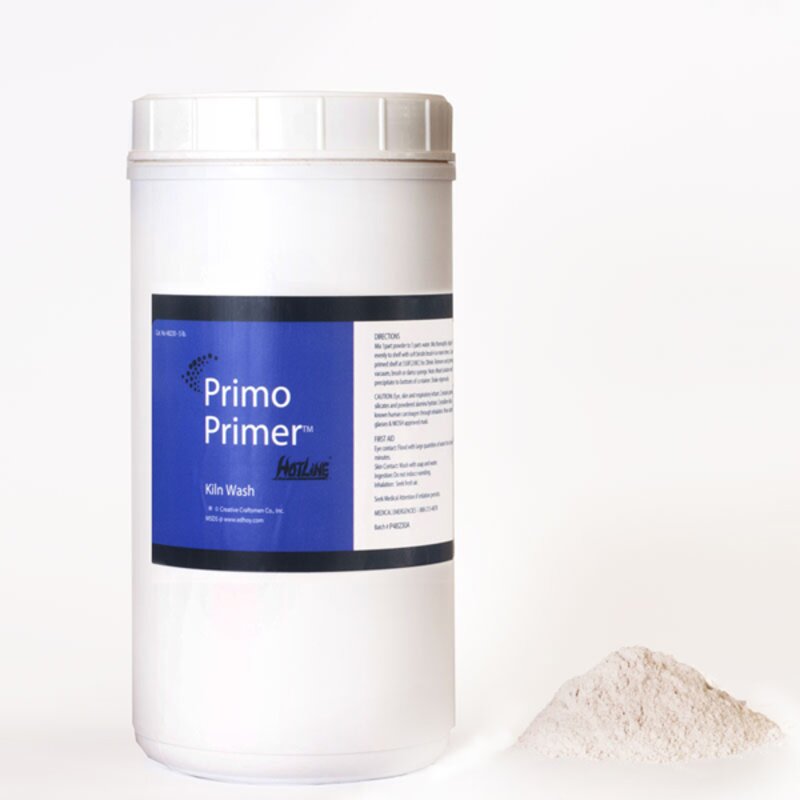
Kiln wash is an essential material for glass artists who use kilns in their creative processes. It serves as a protective barrier between the glass and the kiln shelf, preventing the fused glass pieces from sticking to the shelf during firing. This indispensable tool ensures that finished pieces are both aesthetically pleasing and structurally sound, minimizing the risk of damage or defects. Understanding the significance of kiln wash and how to apply it effectively can greatly enhance the quality and success of one’s glass art projects.
What is Kiln Wash?
Kiln wash is a specially formulated mixture designed to protect kiln shelves from fusing glass. It is typically composed of refractory materials that can withstand high temperatures without breaking down. Kiln wash creates a smooth, non-stick surface that allows glass to expand and contract freely during the heating and cooling processes.
Benefits of Using Kiln Wash
- Prevents glass from sticking to the kiln shelf, reducing the risk of breakage.
- Facilitates easy removal of glass pieces after firing.
- Prolongs the lifespan of kiln shelves by shielding them from glaze drips and other residues.
- Improves the quality of finished glass pieces by ensuring a clean, smooth surface.
For more detailed insights on the composition and benefits of kiln wash, discover expert strategies here.
Application Techniques
Applying kiln wash correctly is crucial to achieving the desired protective effect. The process involves several careful steps to ensure even coverage and adherence.
Steps for Applying Kiln Wash
- Mix the kiln wash according to the manufacturer’s instructions, achieving a smooth, paint-like consistency.
- Using a brush, apply an even coat onto the kiln shelf, avoiding excess buildup.
- Allow the first coat to dry completely before applying additional layers, typically two to three coats are recommended.
- Once all layers are dry, gently sand the surface to remove any rough spots and achieve a smooth finish.
Find out more about this approach and enhance your application technique to ensure optimal results.
Common Challenges and Solutions
Despite its benefits, using kiln wash can present some challenges. Addressing these effectively can make a significant difference in the quality of the final product.
Potential Issues
- Uneven application can lead to glass sticking or rough surfaces.
- Bubbles in the kiln wash may result in imperfections on the glass surface.
- Improper drying time can cause the kiln wash to lift or peel during firing.
To overcome these challenges, it’s essential to apply the kiln wash in thin, even layers and allow each coat to dry thoroughly. For additional guidance, explore advanced guides and tips to refine your technique.
Conclusion
Kiln wash plays a crucial role in the glass artist’s toolkit, offering protection and enhancing the quality of artworks. By understanding its benefits, mastering application techniques, and addressing common issues, artists can achieve successful and beautiful fused glass pieces. For those seeking to deepen their knowledge and refine their skills, numerous resources are available to assist in mastering the art of kiln washing. Learn about our tailored solutions and elevate your glass art creations to new heights.