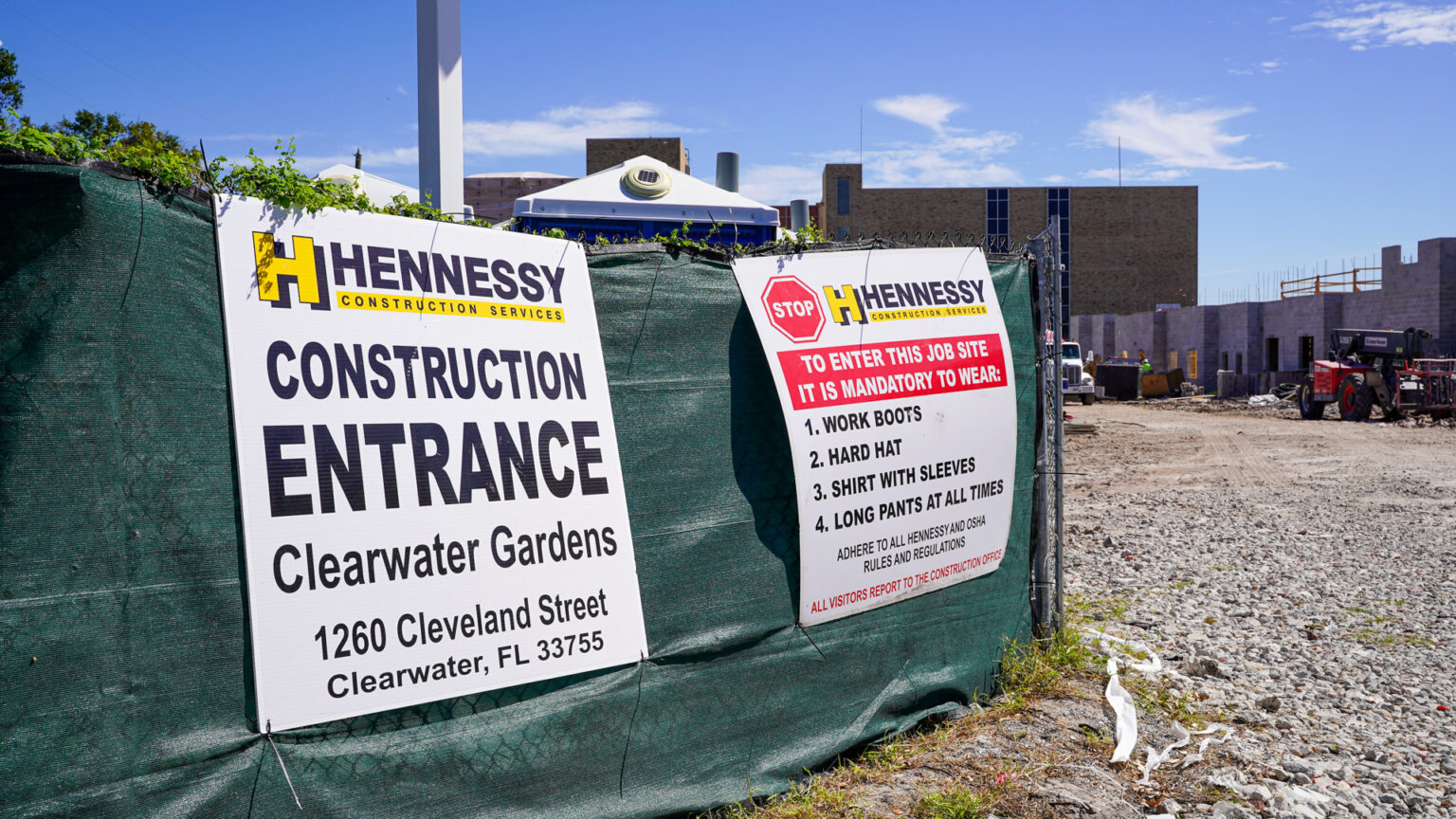
The rapidly evolving landscape of construction and building management today emphasizes the critical importance of sustainable building systems. As global energy demands continue to rise, integrating energy-efficient practices into building design is no longer optional but essential. The primary goal is to minimize energy consumption while maintaining comfort and utility, a balance that can be achieved through innovative strategies and technologies.
The Importance of Energy Efficiency in Buildings
Energy efficiency in buildings is vital not only for reducing operational costs but also for minimizing environmental impact. Buildings are significant contributors to greenhouse gas emissions, and improving their efficiency offers a way to address climate change proactively. Here are some key benefits of energy efficiency in buildings:
- Reduction in energy costs over the building’s lifecycle.
- Decreased environmental footprint.
- Improved indoor air quality and occupant comfort.
- Increased property value and marketability.
Find out more about this approach to energy efficiency and its broader implications.
Integrating Sustainable Building Systems
Incorporating sustainable building systems involves a holistic approach that considers every aspect of design, construction, and operation. Key strategies include:
1. Passive Design Techniques
Passive design maximizes the use of natural light and ventilation, reducing the need for artificial lighting and mechanical cooling or heating systems. This can significantly lower energy consumption and enhance indoor environmental quality.
2. Utilization of Renewable Energy Sources
Integrating renewable energy sources such as solar panels or wind turbines can supply buildings with clean, sustainable power. This not only cuts down on reliance on fossil fuels but also provides long-term economic benefits.
For more detailed insights, explore advanced guides and tips on utilizing renewable energy in construction.
3. Smart Building Technologies
The implementation of smart building technologies, such as automated lighting, heating, and cooling systems, helps optimize energy use. These systems can adjust based on occupancy and time of day, ensuring efficiency without sacrificing comfort.
Challenges and Considerations
While there are numerous benefits to sustainable building systems, some challenges must be addressed:
- Initial costs for sustainable technologies can be high, requiring careful financial planning.
- There may be a learning curve for building operators and occupants in using new systems effectively.
- Regulatory and compliance frameworks vary, potentially complicating implementation.
Discover expert strategies here to overcome these challenges and make informed decisions.
Future Trends in Sustainable Building Systems
As technology advances, the future of sustainable building systems looks promising. Emerging trends include:
- Integration of artificial intelligence for real-time energy management.
- Increased use of sustainable materials in construction.
- Development of zero-energy buildings that produce as much energy as they consume.
Stay ahead of the curve by learning about our tailored solutions designed to meet future building needs.
The commitment to energy-efficient building systems remains pivotal in creating a sustainable future. By adopting and integrating these systems, the construction industry can significantly contribute to environmental preservation while enhancing economic viability.
