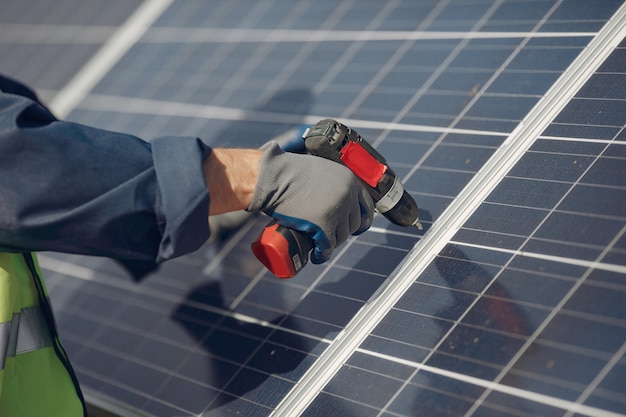
In an era where energy conservation and cost-efficiency reign supreme, the integration of solar panels with battery storage systems emerges as a pivotal solution for homeowners and businesses alike. This combination not only enhances energy independence but also provides a sustainable pathway to reduce utility bills. As the world leans towards renewable energy sources, leveraging solar panels coupled with battery storage becomes an intelligent move for those seeking to optimize their energy consumption efficiently.
The Benefits of Solar Panel and Battery Combinations
Adopting a solar panel and battery combo offers numerous advantages that extend beyond mere cost savings. Here are some key benefits:
- Energy Independence: With a solar and battery system, reliance on the grid diminishes significantly. This means greater autonomy and resilience against fluctuating energy prices.
- Cost Savings: By storing excess solar energy for later use, households can substantially reduce their electricity bills. This stored energy can be utilized during peak hours when electricity rates are higher.
- Environmental Impact: Reducing dependency on fossil fuels by harnessing solar energy contributes to lower carbon footprints, promoting a greener planet.
- Backup Power Supply: Batteries provide an emergency power source during outages, ensuring continuous energy supply for essential appliances.
How Solar and Battery Systems Work Together
The synergy between solar panels and battery storage systems is a game-changer for personal and commercial energy management. Here”?s how they work in tandem:
1. Solar Energy Generation
Solar panels absorb sunlight and convert it into direct current (DC) electricity. This energy is then converted into alternating current (AC) by an inverter, making it usable for home appliances.
2. Battery Storage
Excess energy generated during peak sunlight hours is stored in batteries. This ensures that no surplus energy is wasted and can be used when solar production is low or during nighttime.
3. Energy Usage Optimization
Stored energy can be strategically utilized during high-demand periods, maximizing cost savings. For more detailed insights, find out more about this approach.
Financial Incentives and Savings
Investing in solar panel and battery systems is not just a step towards energy efficiency; it also opens doors to various financial incentives:
- Government Rebates and Tax Credits: Many regions offer incentives to encourage renewable energy adoption, which can significantly offset installation costs.
- Net Metering: Some regions allow the selling of surplus energy back to the grid, providing an additional stream of revenue.
- Long-term Savings: Though the initial investment may seem substantial, the long-term savings on energy bills are substantial. Explore advanced guides and tips to maximize these savings.
Choosing the Right System
Selecting the appropriate solar and battery system requires careful consideration of various factors:
- Energy Needs: Evaluate current energy consumption patterns to determine the size and capacity of the system required.
- Budget: While upfront costs vary, consider long-term savings and financial incentives when budgeting.
- Quality and Durability: Opt for systems with proven durability and efficiency to ensure long-term reliability.
- Professional Consultation: Engaging with experts can provide valuable insights and tailored solutions. Discover expert strategies here for a seamless transition to solar energy.
Conclusion
Integrating solar panels with battery storage systems is a forward-thinking strategy for those committed to energy efficiency, financial savings, and environmental stewardship. As renewable energy technology continues to advance, the combination of solar and battery systems emerges as a cornerstone for sustainable living and business operations. Learn about our tailored solutions to embark on a journey towards a more sustainable and cost-effective energy future.