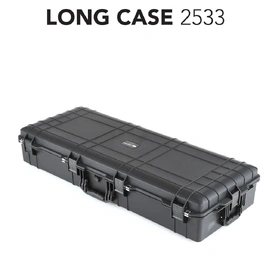
Investing in a high-quality camera often involves a significant financial commitment. Protecting this investment, especially in challenging outdoor conditions, is crucial. A waterproof camera case is an essential accessory for photographers who frequently venture into wet or humid environments. This guide provides essential tips for selecting the right waterproof camera case, ensuring that your equipment remains safe and functional, regardless of the weather conditions.
Understanding Waterproof Ratings
Waterproof ratings are a critical aspect when considering a case for your camera. These ratings, typically specified by Ingress Protection (IP) codes, indicate the level of protection against dust and water. For photographers, focusing on the second digit, which represents water resistance, is particularly important.
- IPX0: No protection against water
- IPX4: Splash-resistant
- IPX7: Can withstand immersion in water up to 1 meter for 30 minutes
- IPX8: Suitable for continuous submersion in water
It is advisable to choose a camera case with at least an IPX7 rating for optimal protection during unexpected weather changes. Explore advanced guides and tips to understand more about these ratings.
Selecting the Right Material
The material of the case significantly affects its waterproof capabilities and durability. Common materials include:
Hard Shell Cases
Made from materials like polycarbonate, these cases offer excellent impact resistance and waterproofing. They are ideal for photographers who travel frequently or shoot in rugged environments.
Soft Shell Cases
These cases are typically made from water-resistant fabrics such as nylon or polyester with waterproof coatings. They are lighter and more flexible but may offer less protection against impacts.
For a detailed comparison of materials, discover expert strategies here to make an informed decision.
Size and Fit Considerations
Choosing a case that fits your camera snugly is essential to prevent movement during transit, which could lead to damage. Consider the following:
- Measure your camera’s dimensions, including lens and accessories.
- Ensure there’s adequate padding inside the case.
- Check for adjustable dividers to customize the fit.
Learn about our tailored solutions to find cases that offer customizable storage options.
Additional Features to Consider
While waterproofing is the primary concern, other features can enhance the usability and protection offered by the case:
- Pressure Equalization Valve: Helps maintain balance when flying or changing altitudes.
- Locking Mechanisms: Provides added security to keep your equipment safe.
- Removable Shoulder Straps: Offers convenience for carrying during long trips.
For further insights, find out more about this approach to selecting the best features for your needs.
Conclusion
Choosing the right waterproof camera case involves understanding various protective features, materials, and additional functionalities. By considering these aspects carefully, photographers can ensure their equipment remains safe and secure, allowing them to focus on capturing stunning images without worry. For comprehensive advice and a range of options, explore advanced guides and tips that cater to diverse photographic needs.