In the world of glass fusing and ceramics, choosing the right firing aid is essential for achieving optimal results. Among the various options available, kiln paper has become a popular choice due to its convenience and effectiveness. However, understanding its pros and cons compared to other firing aids can help artisans make informed decisions. By examining different aspects of kiln paper and other alternatives, one can align their choice with specific project needs, enhancing both efficiency and outcome quality.
Understanding Kiln Paper
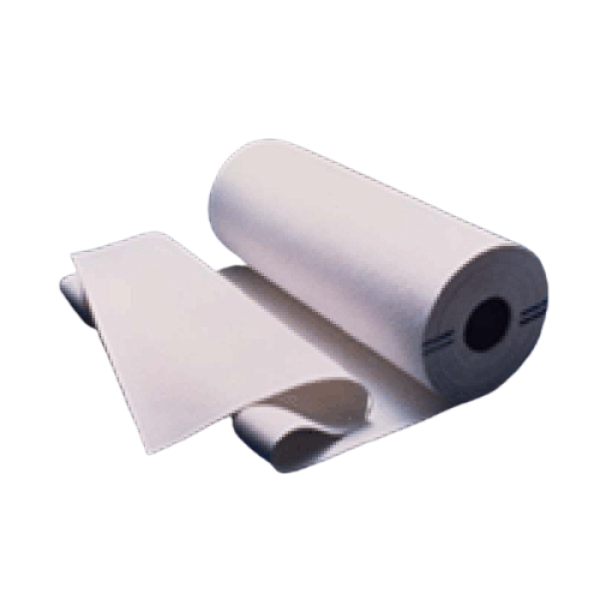
Kiln paper, often made from ceramic fiber, is a versatile material used to prevent glass and other materials from adhering to kiln shelves during firing. Its easy-to-use nature makes it a favorite among both beginners and experienced artisans. For those interested in incorporating kiln paper into their process, discover expert strategies here.
Advantages of Kiln Paper
- Prevents glass from sticking to kiln shelves, reducing potential damage.
- Easy to cut and shape, allowing for customization based on project requirements.
- One-time use eliminates the need for cleaning and recycling, simplifying the process.
- Produces a smooth finish on the underside of glass pieces.
Drawbacks of Kiln Paper
- Can be more expensive over time compared to reusable options.
- One-time use may contribute to environmental waste.
- Requires careful handling to prevent tearing or damage prior to firing.
Exploring Other Firing Aids
Beyond kiln paper, there are several other firing aids available, each with its unique benefits and limitations. These alternatives can offer solutions tailored to specific project needs and environmental considerations. To delve deeper into these options, learn about our tailored solutions.
Common Alternatives
- Kiln Wash: A liquid coating that is applied to kiln shelves, creating a protective barrier. It is reusable but requires regular maintenance and reapplication.
- Fiberboard: Durable and reusable, it provides a solid base for intricate projects. However, it can be more challenging to cut and shape compared to kiln paper.
- Thinfire Paper: Similar to kiln paper but typically thinner, resulting in a smoother finish. It is also a single-use product.
Comparative Analysis
When comparing kiln paper to other firing aids, several factors should be considered, including cost, ease of use, environmental impact, and the desired finish. For detailed insights and explore advanced guides and tips to make the best choice for your projects.
Cost and Efficiency
- Kiln Paper: While convenient, the recurring cost of single-use sheets can add up over time.
- Kiln Wash: Offers a cost-effective solution for those willing to invest time in maintenance.
- Fiberboard: Higher initial cost but offers longevity and reusability.
Environmental Considerations
- Kiln Paper: Single-use nature may contribute to waste but offers ease of use.
- Reusable Alternatives: Generally more eco-friendly due to their reusable nature.
Conclusion
Selecting the right firing aid involves balancing convenience, cost, and environmental impact. Kiln paper offers ease of use and a smooth finish, ideal for certain projects, while other materials like kiln wash and fiberboard present durable and potentially more eco-friendly alternatives. To make an informed decision, artisans should consider their specific needs and find out more about this approach.
