Choosing a commercial dumpster for your business needs can significantly impact operational efficiency and waste management effectiveness. The right dumpster not only facilitates smooth business operations but also ensures compliance with local regulations. With numerous options available, selecting the most suitable dumpster requires careful consideration of various factors. This article provides expert strategies to streamline this process, ensuring you make an informed decision tailored to your specific needs.
Understanding Your Needs
Before choosing a commercial dumpster, it’s crucial to assess your business?s specific waste disposal requirements. Consider the following:
- Volume of waste generated: Estimate the average waste volume your business generates daily or weekly. This helps in determining the dumpster size you require.
- Type of waste: Identify the types of waste produced, such as recyclables, organic waste, or hazardous materials, to ensure compliance with waste disposal regulations.
- Frequency of collection: Decide how often waste needs to be collected to avoid overflow and ensure seamless operations.
Discover expert strategies here for analyzing your business waste needs effectively.
Types of Commercial Dumpsters
Front Load Dumpsters
Front load dumpsters are ideal for businesses that generate a steady volume of waste. They are designed for easy waste disposal and are collected using specialized trucks. Consider these when:
- You have limited space, as they are compact and can fit in tighter areas.
- Frequent waste collection is required, as they are generally serviced weekly.
Learn about our tailored solutions for front load dumpster rentals.
Roll-Off Dumpsters
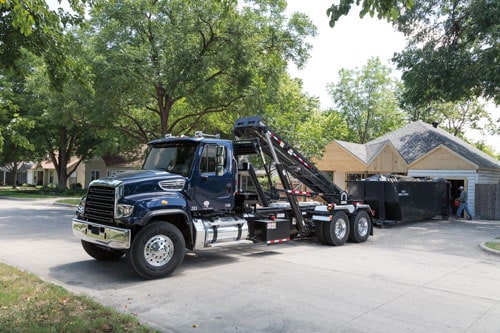
Roll-off dumpsters are suitable for businesses with large volumes of waste or during renovation projects. They are transported on a roll-off truck and are typically used for temporary projects. Consider roll-off dumpsters when:
- Undertaking large scale cleaning or remodeling projects.
- Disposing of construction or large debris.
Explore advanced guides and tips on using roll-off dumpsters effectively.
Key Considerations for Selection
When selecting a commercial dumpster, several factors should guide your decision:
- Location: Choose a convenient location for dumpster placement that allows easy access for disposal and collection.
- Size: Ensure the dumpster size aligns with your waste generation rates to avoid unnecessary costs or overflow issues.
- Compliance: Adhere to local waste management regulations and environmental guidelines to avoid penalties.
Find out more about this approach to ensure compliance and efficiency.
Cost Considerations
Understanding the cost implications of your dumpster choice is vital. Consider the following factors:
- Rental fees: These vary based on dumpster size, type, and rental duration.
- Collection frequency: More frequent pick-ups may incur additional charges.
- Permits and fees: Some locations may require permits for dumpster placement, affecting overall costs.
For a comprehensive breakdown of potential costs, explore advanced guides and tips.
Conclusion
Selecting the right commercial dumpster requires a thorough understanding of your business needs, the types of dumpsters available, and the key considerations that impact both functionality and cost. By evaluating these factors carefully, businesses can enhance their waste management processes, ensuring efficiency and compliance. For a detailed analysis and personalized recommendations, learn about our tailored solutions.
