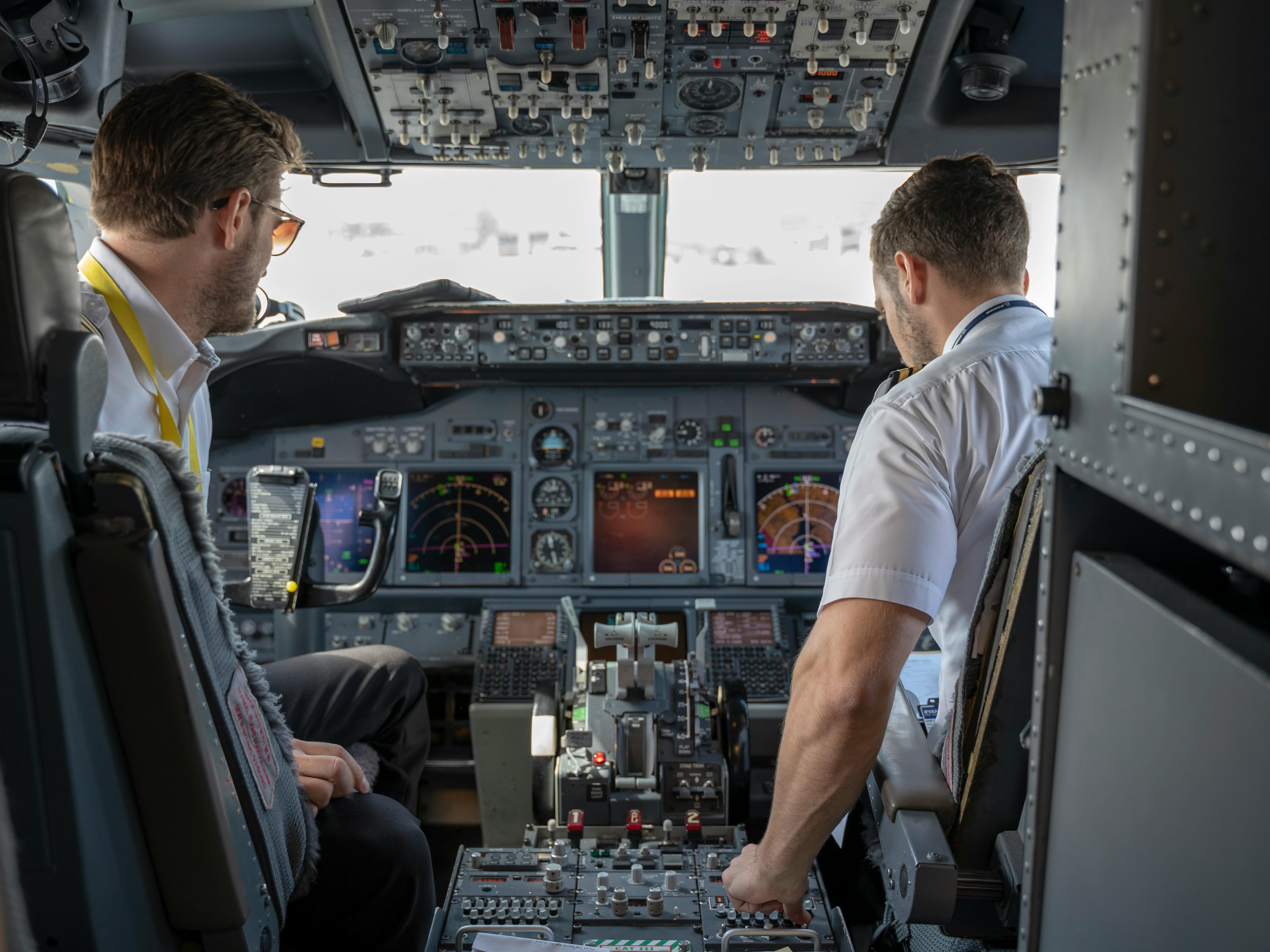
Flying is a marvel of modern transportation, yet it invokes fear in numerous individuals worldwide. The anxiety associated with flying can be overwhelming, affecting travel plans and personal experiences. While the fear of flying, known as aviophobia, is common, it doesn’t have to be a permanent barrier. With expert guidance and proven strategies, individuals can learn to overcome this fear and enjoy the freedom that comes with air travel.
Understanding the Roots of Fear
To address the fear of flying, it’s crucial to understand its origins. Several factors contribute to aviophobia:
- Fear of Crashes: Despite air travel being one of the safest modes of transportation, the fear of crashing is a significant concern for many.
- Lack of Control: Passengers often feel anxious because they are not in control of the aircraft.
- Claustrophobia: The confined space of an airplane cabin can trigger panic for some individuals.
- Fear of Heights: A fear of heights can naturally extend to flying.
- Media Influence: Sensationalized media coverage of air incidents can exacerbate fear.
Understanding these factors can help individuals identify the specific aspects of flying that trigger their fears. Discover expert strategies here to address each root cause effectively.
Practical Strategies to Mitigate Fear
Preparation and Education
Preparation is a powerful antidote to fear. Educating oneself about the mechanics of flying and what to expect during a flight can significantly reduce anxiety.
- Learn the Basics: Understanding how an aircraft operates can demystify the flying experience.
- Familiarize with Procedures: Knowing the safety protocols and procedures can provide reassurance.
- Attend Workshops: Engaging in fear of flying workshops can offer valuable insights and coping mechanisms. Learn about our tailored solutions designed to empower passengers.
Cognitive Behavioral Techniques
Cognitive-behavioral techniques have been highly effective in managing aviophobia. These strategies focus on altering negative thought patterns associated with flying.
- Breathing Exercises: Practicing deep breathing can help calm nerves during flights.
- Visualization: Imagining a safe and pleasant flight experience can replace fearful thoughts.
- Mindfulness: Staying present and focused on the moment can prevent anxiety from escalating. Explore advanced guides and tips on incorporating mindfulness into your travel routine.
Advanced Techniques for Severe Cases
For those with severe aviophobia, advanced techniques and professional help can make a significant difference.
Therapy and Counseling
Professional therapy provides personalized strategies to address the underlying causes of fear.
- Exposure Therapy: Gradual exposure to flying-related situations can desensitize the fear response.
- Cognitive Restructuring: Challenging and reframing negative beliefs about flying can alter perceptions.
- Consultation with Experts: Engaging with professionals who specialize in fear of flying can offer customized support. Find out more about this approach and how it can benefit those struggling with intense fear.
Conclusion
Overcoming the fear of flying is a journey that involves understanding the roots of the fear, utilizing practical strategies, and seeking professional guidance if necessary. While the path may vary for each individual, the freedom and opportunities that come with conquering this fear are well worth the effort. By embracing expert guidance and proven techniques, individuals can look forward to flying with confidence and ease.