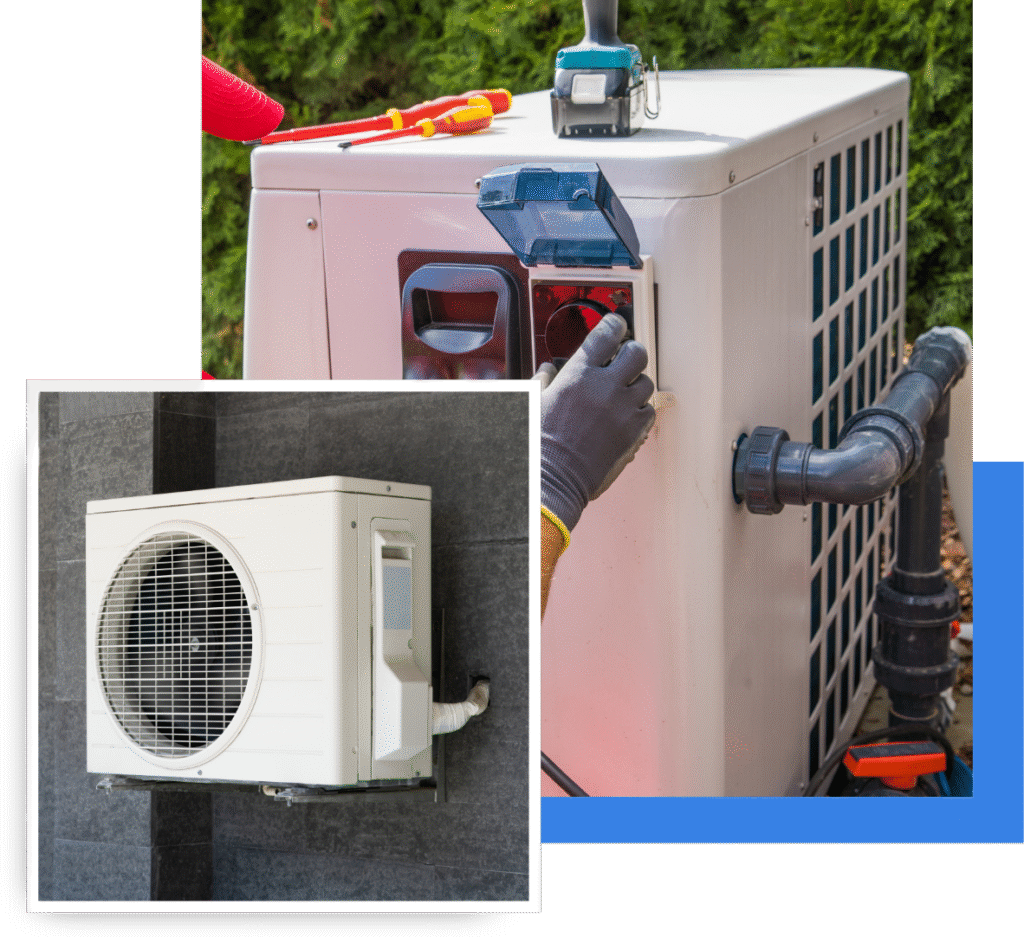
Heat pumps are an efficient and environmentally-friendly option for heating and cooling homes. With the potential to significantly cut energy costs, maintaining these systems is crucial for optimal performance and longevity. Regular maintenance not only ensures efficiency but also prevents unexpected breakdowns and costly repairs. By following essential maintenance tips, homeowners can maximize the benefits of their heat pumps, keeping them in peak condition throughout the year.
Routine Inspection and Cleaning
One of the most fundamental aspects of maintaining a heat pump is ensuring that it is routinely inspected and cleaned. Regular checks can help identify any issues that may affect the system’s performance.
- Inspect the heat pump’s filters, coils, and fans. Clean or replace filters monthly to improve air quality and system performance.
- Ensure that the outdoor unit is free from debris such as leaves or dirt, which can obstruct airflow.
- Check the indoor unit for dust accumulation and clean the coils and coils? fins to prevent airflow blockage.
For more detailed cleaning procedures, explore advanced guides and tips.
Regular Professional Servicing
While some maintenance tasks can be performed by the homeowner, professional servicing is essential at least once a year to ensure all components are functioning correctly.
- Schedule a professional heat pump service to thoroughly inspect electrical connections, lubricate moving parts, and check for refrigerant leaks.
- Professionals can calibrate the thermostat and ensure that the system cycles correctly through heating and cooling modes.
To understand the benefits of professional servicing, find out more about this approach.
Optimizing System Settings
Properly setting and maintaining the thermostat can greatly affect the heat pump’s efficiency and lifespan. Here are some tips for optimizing these settings:
- Set the thermostat to a comfortable temperature and avoid frequent changes, which can strain the system.
- Consider using a programmable thermostat to automatically adjust settings based on daily routines, reducing energy usage when heating or cooling is not needed.
- Ensure the thermostat is located away from direct sunlight or other heat sources to prevent inaccurate temperature readings.
For more information on programmable thermostats and how they can enhance efficiency, discover expert strategies here.
Understanding Heat Pump Lifespan and Replacement
While regular maintenance can extend the lifespan of a heat pump, it is essential to recognize when a system may need replacement.
- Most heat pumps have a lifespan of 10 to 15 years. If the system is reaching this age range, start considering a replacement plan.
- Frequent repairs and inefficiency can also be indicators that it’s time to upgrade to a more efficient model.
- Researching the latest models can offer insights into energy savings and advancements in heat pump technology.
To learn about tailored solutions for replacing your heat pump, learn about our tailored solutions.
Conclusion
Maintaining a heat pump involves a combination of regular inspections, professional servicing, and optimizing system settings to ensure efficiency and longevity. By following these essential maintenance tips, homeowners can enjoy reliable heating and cooling while minimizing energy costs and preventing unexpected breakdowns. For more comprehensive maintenance strategies and professional services, explore advanced guides and tips.