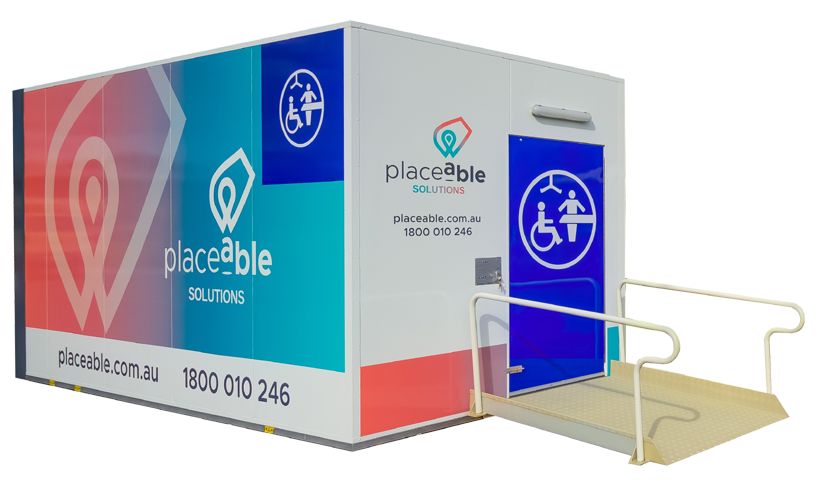
In the realm of building design and architecture, ensuring accessibility for all individuals, including those with disabilities, is a fundamental responsibility. The Australian Standards for disabled toilets form an integral aspect of these requirements, ensuring that facilities are accessible, safe, and dignified for everyone. Compliance with these standards is not merely a matter of legal obligation but also a moral one, contributing to the inclusivity and equality of public and private spaces. This article delves into the essential elements of Australian Standards for disabled toilets, highlighting the key aspects that builders, architects, and facility managers must consider to ensure compliance and inclusivity.
Understanding the Australian Standards for Disabled Toilets
The Australian Standards AS1428 series provides comprehensive guidelines for the design and construction of accessible facilities. These standards aim to create environments that cater to the needs of people with disabilities, ensuring ease of access and use. The disabled toilet standards australia outline specific requirements related to the dimensions, layout, fittings, and equipment necessary to accommodate individuals with varying mobility needs.
Key Dimensions and Layout Requirements
- Doors should have a minimum clear opening of 850mm to facilitate wheelchair access.
- Unobstructed circulation space of at least 1900mm by 2300mm should be provided within the toilet area.
- Toilet seats must be positioned between 460mm and 480mm above the floor level.
- Grab rails should be installed on both sides of the toilet to assist individuals in transferring safely from a wheelchair to the toilet seat.
Fittings and Equipment Considerations
- Toilet paper dispensers must be within easy reach from the toilet seat, typically positioned between 600mm and 800mm above the floor.
- Tapware and flush controls should be operable with a closed fist, ensuring accessibility for individuals with limited dexterity.
- Mirrors should be installed at a height that allows both seated and standing users to utilize them effectively.
- Emergency call buttons must be strategically placed to be easily accessible in case of an emergency.
Compliance and Best Practices
Adhering to the Australian Standards for disabled toilets not only ensures compliance with legal requirements but also demonstrates a commitment to accessibility and inclusivity. Facilities that meet these standards provide a welcoming and accommodating environment for all users, thereby enhancing the reputation and credibility of the establishment.
Implementing Accessibility Features
- Conduct regular audits of facilities to ensure ongoing compliance and identify areas for improvement.
- Engage with professionals who specialize in accessible design to ensure that all aspects of the facilities meet the required standards.
- Consider user feedback and incorporate suggestions to enhance the functionality and accessibility of the toilet facilities.
Incorporating these best practices into the design and maintenance of toilet facilities reflects a proactive approach to inclusivity, ensuring that all individuals, regardless of their physical abilities, can access and use the facilities with ease and dignity.
The Importance of Continuous Education and Training
Continuous education and training in the field of accessible design are essential for staying informed about the latest developments and standards. Architects, builders, and facility managers should engage in regular professional development to keep abreast of changes in the disabled toilet standards australia and related accessibility requirements. This ongoing learning process ensures that facilities remain compliant and accessible, ultimately contributing to the creation of inclusive environments for everyone.
In conclusion, the Australian Standards for disabled toilets are a cornerstone of creating accessible, safe, and dignified environments for individuals with disabilities. By adhering to these standards and implementing best practices, facilities can ensure compliance, enhance user experience, and promote inclusivity. Continuous education and engagement with accessibility professionals further support the ongoing commitment to creating environments that cater to the needs of all individuals, regardless of their abilities.