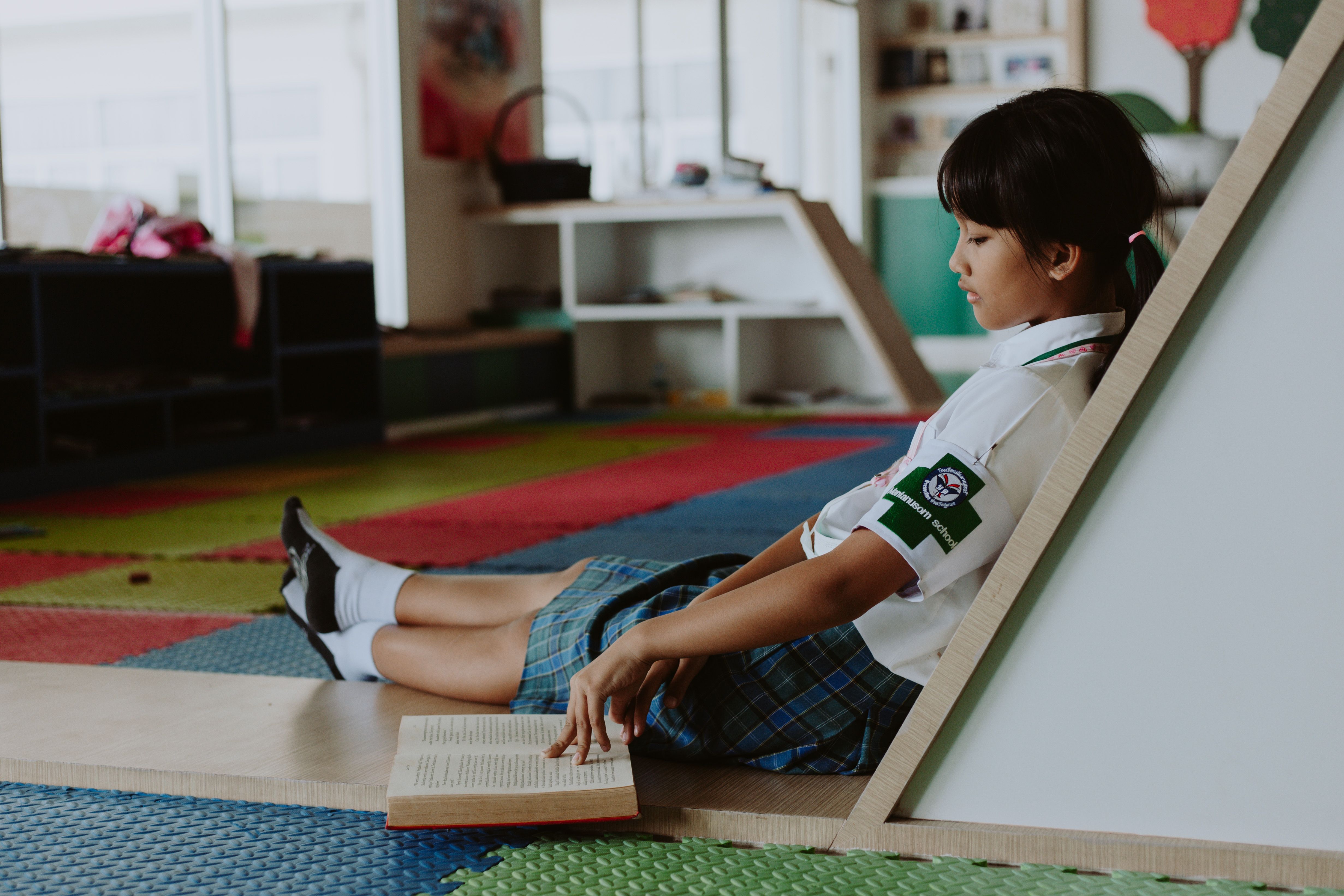
Choosing the right educational institution is one of the most significant decisions parents will make for their child. A private school education can provide a wide array of benefits, fostering an environment enriched with personalized attention, specialized curricula, and a supportive community. As you explore options for the best private school near you, it’s essential to consider various aspects that contribute to a well-rounded educational experience.
Understanding the Benefits of Private Education
Private schools are often lauded for their unique advantages, which can include:
- Smaller class sizes allowing for more individualized attention.
- Enhanced academic programs with a focus on critical thinking and problem-solving skills.
- Access to extracurricular activities that promote personal growth and social development.
- Strong emphasis on character development and community values.
- State-of-the-art facilities and resources that support advanced learning.
These benefits can be pivotal in nurturing a student’s talents and preparing them for future academic and life challenges. For a deeper understanding of private education, read more about this topic.
Factors to Consider When Choosing a Private School
Academic Excellence
An essential factor in selecting a private school is its academic reputation. While evaluating potential schools, consider:
- The school’s accreditation and curriculum standards.
- Teacher qualifications and student-to-teacher ratios.
- Performance metrics such as standardized test scores and college acceptance rates.
These elements can provide insights into the academic rigor and quality of education a school offers. Learn more in this detailed guide about how these factors can impact your decision.
Extracurricular Opportunities
A balanced education extends beyond academics. When assessing private schools, investigate the range of extracurricular activities available, such as:
- Sports programs and athletic facilities.
- Art, music, and theater programs.
- Clubs and societies that cater to diverse interests.
- Community service and leadership development opportunities.
These activities play a crucial role in developing a well-rounded personality and fostering lifelong skills. Explore further insights here on how extracurricular activities contribute to student development.
School Culture and Environment
The school environment greatly influences a child’s learning experience. Consider aspects such as:
- The school’s values and mission statement.
- Diversity and inclusivity within the student body.
- The level of parental involvement and community engagement.
A supportive and inclusive environment can significantly enhance a student’s educational journey. Find additional information here on evaluating the school culture.
Financial Considerations
While private education can be a substantial financial investment, many schools offer financial aid and scholarship opportunities. As you explore private school options, it is essential to:
- Understand the tuition structure and additional costs.
- Inquire about financial aid programs and eligibility criteria.
- Evaluate the long-term benefits versus the costs involved.
Balancing financial capacity with educational aspirations is crucial for making an informed decision. For more insights into managing these considerations, learn more in this detailed guide.
Conclusion
Choosing the right private school involves careful consideration of various factors, each playing a vital role in shaping a child’s future. By thoroughly researching and weighing these elements, parents can make an informed decision that aligns with their child’s needs and aspirations. The journey to finding the best private school is a step towards ensuring a bright and successful future for their child. Explore further insights here to guide your decision-making process.