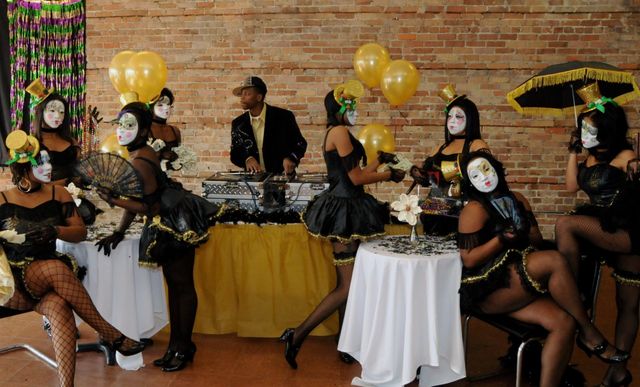
The vibrant culture of New Orleans is steeped in tradition, with its rich history reflected in the city’s music, festivals, and unique social practices. Among these cherished traditions is the captivating and often misunderstood phenomenon of the New Orleans Baby Doll Ladies. This iconic cultural group, with roots dating back to the early 20th century, represents more than just colorful costumes and lively street performances. They embody a legacy of empowerment, resistance, and the celebration of African American heritage.
Historical Background
The origins of the New Orleans Baby Doll Ladies date back to the early 1900s. Emerging in the vibrant African American communities of New Orleans, these women, dressed in frilly, childlike costumes complete with bonnets and parasols, began to make their presence known during Mardi Gras celebrations. Contrary to the more mainstream Mardi Gras krewes, the Baby Doll Ladies were formed in response to social and racial inequalities, using parody and pageantry to make powerful statements.
Why They Dressed as Dolls
- Their costumes were a form of satire, mocking the stereotypes imposed upon them by society.
- Adopting childlike personas allowed these women to challenge social norms and assert their independence.
- Their presence was a bold statement against the exclusion of African Americans from mainstream Mardi Gras activities.
Significance in African American Culture
The Baby Doll Ladies have played a crucial role in preserving and promoting African American culture in New Orleans. Their influence extends beyond their performances, as they have become symbols of resilience and cultural pride.
Key Contributions
- The Baby Doll Ladies have helped to keep African American cultural traditions alive through their continued participation in Mardi Gras and other cultural events.
- They have inspired generations of women to embrace and celebrate their heritage.
- Their performances often incorporate elements of African and Creole music and dance, showcasing the rich tapestry of New Orleans’ cultural history.
Modern-Day Revival
In recent years, there has been a resurgence of interest in the Baby Doll Ladies, thanks in part to the efforts of cultural historians and local artists. This modern revival has seen a new generation of women stepping into the role of Baby Doll Ladies, keen to preserve this unique tradition while also adapting it to the contemporary landscape.
Contemporary Initiatives
- Efforts are being made to document and share the history of the Baby Doll Ladies through workshops, exhibitions, and educational programs.
- Modern Baby Doll groups are using social media and other platforms to reach wider audiences and engage with the community.
- Collaborations with local artists and musicians have led to innovative performances that honor the past while embracing the present.
Conclusion
The legacy of the New Orleans Baby Doll Ladies is one of creativity, defiance, and cultural celebration. They have managed to carve out a unique space within the rich tapestry of New Orleans’ cultural heritage, remaining relevant and inspiring across generations. As the world continues to embrace diversity and cultural expression, the story of the Baby Doll Ladies stands as a testament to the power of tradition and the enduring spirit of the communities they represent. For those looking to delve deeper into their fascinating history, the New Orleans Baby Doll Ladies continue to offer a glimpse into a world where art, history, and identity intertwine beautifully.