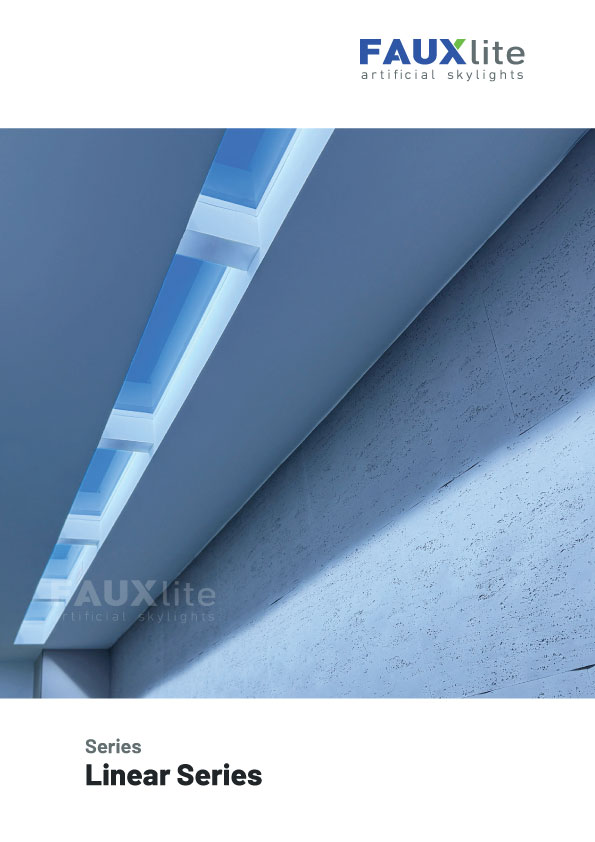
In the pursuit of creating a home environment that is both aesthetically pleasing and functionally efficient, the incorporation of natural light stands as a quintessential element. One innovative solution that has garnered attention is the internal skylight. These architectural wonders are designed to channel natural sunlight into spaces that might otherwise be cloaked in shadow, thereby transforming the ambiance of any room. By enhancing the play of light within an interior setting, internal skylights can drastically alter the mood and perceived space of a room, making it feel brighter, warmer, and more inviting.
The Benefits of Internal Skylights
Internal skylights offer a plethora of benefits that go beyond mere aesthetics. Here are some key advantages:
- Increased Natural Light: Skylights provide abundant daylight, reducing the need for artificial lighting during daytime hours. This not only lowers energy consumption but also creates a more pleasant living environment.
- Space Enhancement: The infusion of natural light can make small or confined spaces appear larger and more open. This is particularly beneficial in urban settings where space is at a premium.
- Improved Mood and Well-Being: Exposure to natural light is linked to enhanced mood and increased productivity. An internal skylight can contribute to a healthier living space by bringing the benefits of the outdoors inside.
- Energy Efficiency: Modern skylights are designed with energy efficiency in mind, often featuring advanced glazing technologies that minimize heat loss and reduce cooling loads.
Choosing the Right Skylight for Your Space
Selecting the appropriate skylight for internal room is crucial to maximizing the benefits. Here are some considerations to bear in mind:
Material and Design
The choice of materials and design will significantly impact the performance and aesthetics of the skylight. Options range from glass to high-performance polycarbonate, each offering varying levels of insulation and light diffusion.
- Glass Skylights: Offer excellent clarity and durability but may require additional shading solutions to minimize glare.
- Polycarbonate Skylights: Lightweight and impact-resistant, these are ideal for areas prone to harsh weather conditions.
Positioning and Orientation
The location and orientation of the skylight will determine the amount and quality of light that enters the room. Consider the following tips:
- North-Facing Skylights: Provide consistent, even light throughout the day, making them ideal for areas such as kitchens and living rooms.
- South-Facing Skylights: Capture maximum sunlight but may require shading to prevent overheating during summer months.
Installation and Maintenance
Proper installation and maintenance are key to ensuring the long-term performance of an internal skylight. While professional installation is recommended, some maintenance tasks can be performed by homeowners:
- Regular Cleaning: Keep the skylight free from dust and debris to maintain optimal light transmission.
- Inspect for Leaks: Regularly check seals and flashing to prevent water ingress, which can lead to damage and reduced efficiency.
- Check for Condensation: Ensure adequate ventilation to minimize condensation build-up, which can obscure light and lead to mold growth.
Conclusion
Internal skylights represent a sophisticated solution for enhancing the livability and aesthetic appeal of any room. By carefully selecting the right skylight and ensuring proper installation and maintenance, homeowners can enjoy the myriad benefits of increased natural light and improved spatial dynamics. For those interested in exploring more about skylight options, further information is available through resources such as the Linear Series, which offers an extensive range of choices tailored to different architectural needs.
