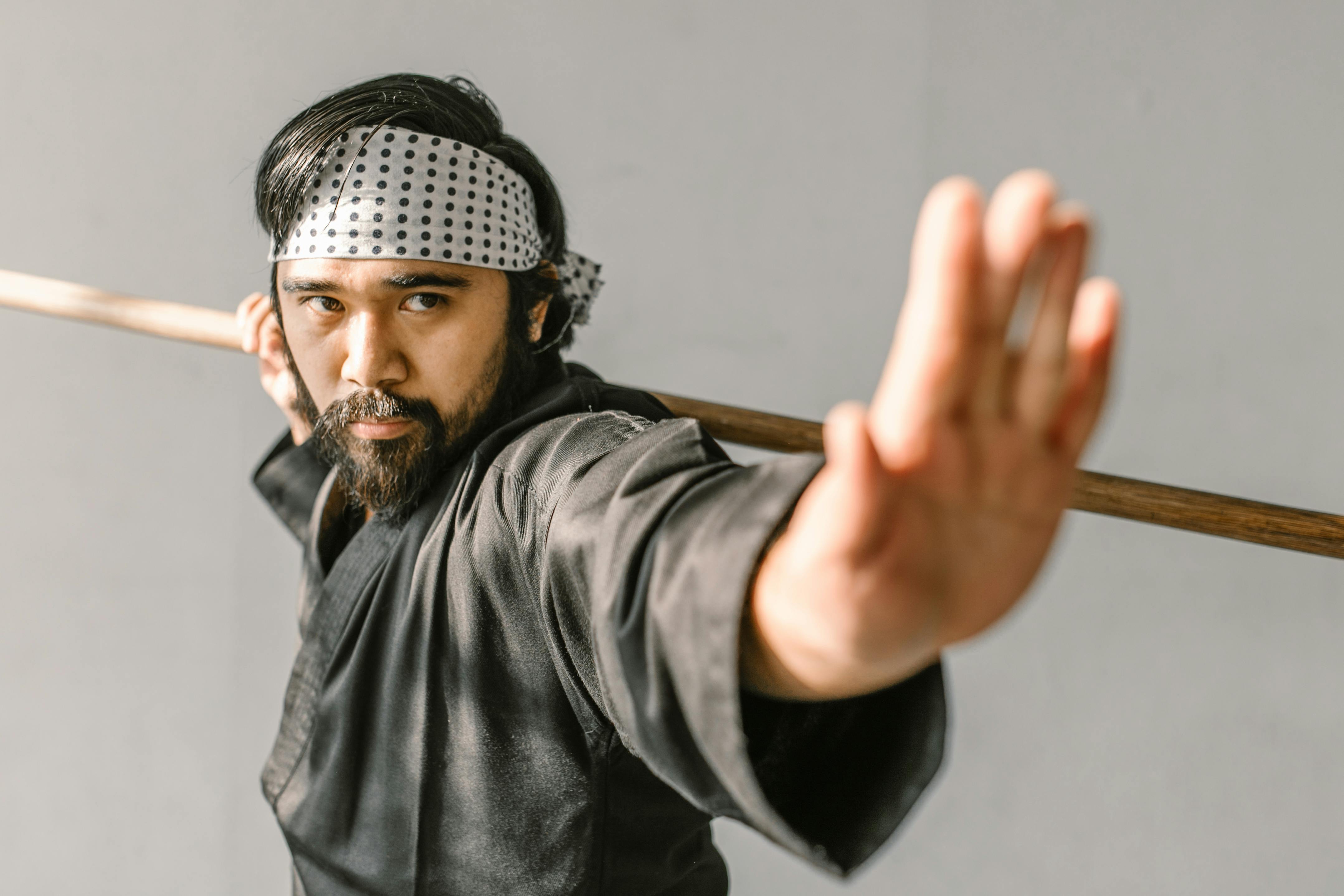
Karate, a martial art rooted in tradition yet ever-evolving with modern practice, holds a unique position in the world of self-defense and discipline. A significant aspect of karate’s rich history and practice involves the use of weapons. These tools have not only served as extensions of the martial artist’s intent but have also evolved to meet contemporary needs. This article explores the dichotomy between traditional and modern techniques in karate weaponry, providing insights into how each approach contributes to the martial artist’s repertoire.
Traditional Karate Weapons
Traditional karate weapons are deeply embedded in the cultural and historical fabric of martial arts. These tools are often derived from everyday farming implements or tools, reflecting a time when weapons were forbidden, and practitioners had to adapt ordinary items for self-defense.
- Bo Staff: A six-foot-long staff that is one of the earliest weapons used in martial arts, primarily for blocking and striking.
- Nunchaku: Consists of two sticks connected by a short chain or rope, used for striking and blocking.
- Tonfa: Originating as a handle used for a millstone, this tool is effective for both offensive and defensive maneuvers.
- Sai: A three-pronged weapon used for trapping, blocking, and striking.
These traditional weapons require skill and precision, passed down through generations. To delve deeper into the mastery of these tools, discover expert strategies here.
Modern Techniques in Karate Weapons
While traditional weapons continue to be an essential part of martial arts, modern techniques have introduced a new spectrum of training and application. With advancements in technology and changing combat scenarios, martial artists often adapt their training to incorporate contemporary tools and methods.
- Foam and Safety Weapons: Used for training to minimize injury while still providing realistic practice scenarios.
- Modified Designs: Traditional weapons with ergonomic improvements for better grip and control.
- Weighted Weapons: Used to build strength and endurance during practice.
These modern adaptations enhance the training experience, offering a blend of safety and effectiveness. For more information on these innovations, learn about our tailored solutions.
Integrating Traditional and Modern Methods
A balanced martial arts training program often incorporates both traditional and modern weapons and techniques. By doing so, practitioners can benefit from the historical depth and cultural significance of traditional weapons while also taking advantage of the advancements in modern techniques.
Consider the following approaches:
- Hybrid Training Sessions: Combining traditional kata (forms) with modern sparring techniques to enhance versatility.
- Cross-Disciplinary Techniques: Integrating techniques from other martial arts to broaden tactical options.
- Customized Equipment: Utilizing equipment tailored to an individual’s specific training needs and goals.
By merging these methodologies, karate practitioners can achieve a comprehensive skill set. Explore advanced guides and tips to refine your approach.
Conclusion
The dynamic world of karate weapons offers a fascinating blend of tradition and modernity. Whether through historical tools like the bo staff and sai or contemporary innovations designed for safety and effectiveness, each approach adds a valuable dimension to martial arts practice. For those looking to expand their understanding and skill set in this area, it’s essential to embrace both the old and the new. Find out more about this approach to gain insights into the diverse techniques that define karate weapon training today.