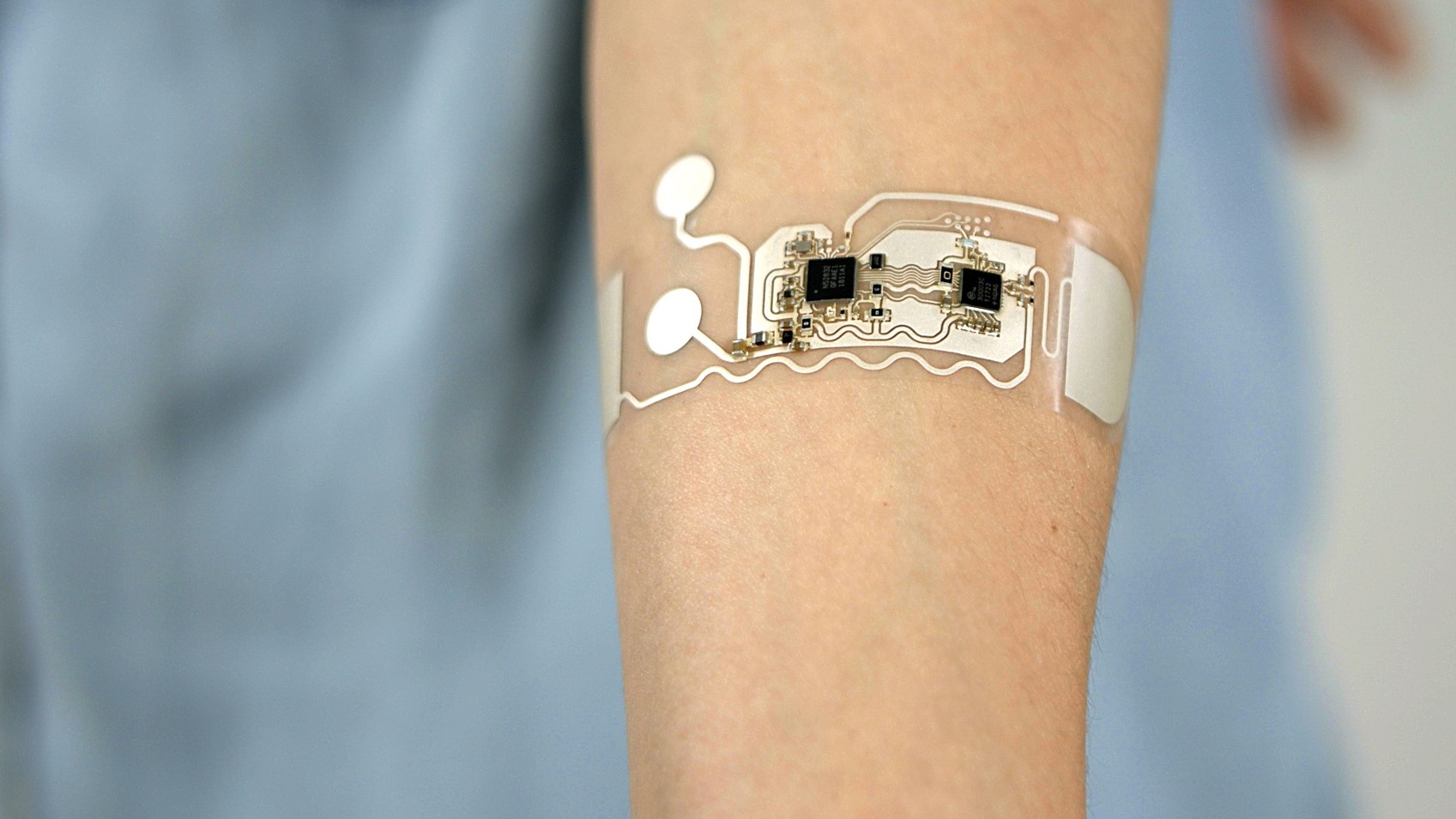
As the healthcare industry continues to evolve, wearable sensing technology is emerging as a significant catalyst for improving patient outcomes. These innovative devices, which range from fitness trackers to sophisticated medical sensors, provide real-time data that can be used to monitor health conditions and enhance personalized care. By integrating wearable technology into clinical practice, healthcare providers can better track patient progress, predict potential health issues, and adjust treatment plans accordingly. The seamless merging of technology and healthcare promises not only to improve the quality of patient care but also to make it more accessible and efficient.
The Role of Wearable Technology in Healthcare
Wearable sensing technology has become a cornerstone in modern healthcare, offering numerous benefits that contribute to enhanced patient care. These devices can track a variety of health metrics, including heart rate, activity levels, sleep patterns, and even blood glucose levels. The data collected can empower patients by providing them with insights into their health and encouraging them to take a more active role in managing their well-being.
Key Benefits of Wearable Devices
- Continuous monitoring of vital signs and health indicators.
- Early detection of potential health issues.
- Enhanced patient engagement and self-management.
- Data-driven insights for personalized treatment plans.
- Improved communication between patients and healthcare providers.
For healthcare practitioners and researchers, the integration of wearable technology offers tailored solutions that can be customized to meet specific patient needs. This flexibility is crucial in providing personalized care and optimizing treatment outcomes.
Applications in Clinical Trials
In the realm of clinical trials, wearable sensing technology is revolutionizing the way data is collected and analyzed. By incorporating wearables into clinical trials, researchers can gather continuous and objective data that enhances the reliability of trial outcomes. This approach not only increases the accuracy of the collected data but also reduces the burden on participants, as they are no longer required to self-report data manually.
Advantages in Clinical Research
- Real-time data collection and analysis.
- Reduction in participant burden and increased compliance.
- Access to a larger pool of data points for more robust conclusions.
- Potential for remote monitoring, reducing the need for in-person visits.
Researchers and healthcare practitioners seeking to innovate in clinical trials can explore advanced guides and tips to effectively integrate wearable technology into their studies.
Future Prospects and Challenges
The future of wearable sensing technology in healthcare is promising, with continuous advancements likely to further enhance patient outcomes. Despite its potential, the integration of wearable devices into healthcare systems is not without challenges. Concerns about data privacy, the standardization of data formats, and the need for rigorous validation of devices are some of the hurdles that need to be addressed.
Overcoming Challenges
- Implementing strong data protection measures to safeguard patient information.
- Developing standardized protocols for data collection and analysis.
- Ensuring device accuracy through comprehensive testing and validation.
- Promoting interoperability between different devices and platforms.
Stakeholders in the healthcare sector can discover expert strategies here to navigate these challenges and leverage wearable technology effectively.
In conclusion, wearable sensing technology holds immense potential to transform patient care and clinical research. By embracing this technology, healthcare providers can find out more about this approach and contribute to the development of a more innovative and patient-centric healthcare system.