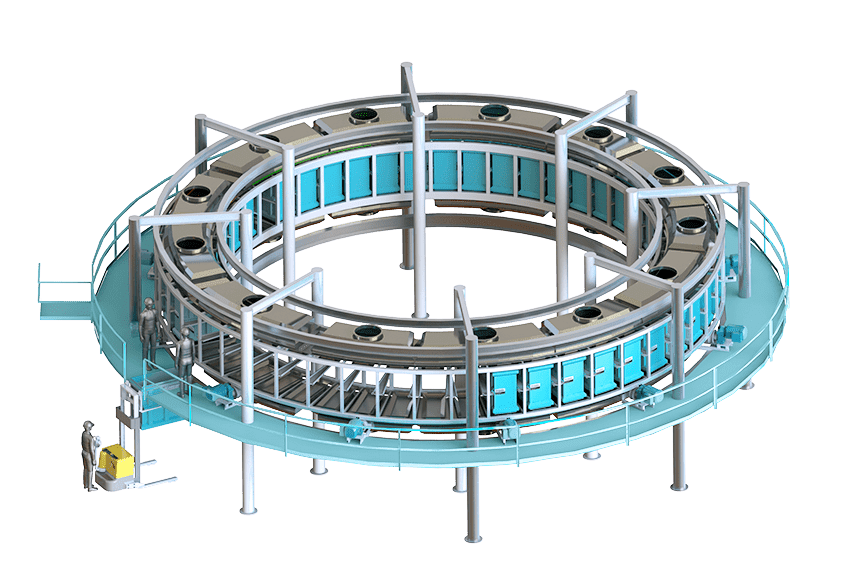
As the world grapples with the challenges of climate change, the importance of reducing carbon dioxide (CO2) emissions has become paramount. Carbon capture technology has emerged as a pivotal solution in this endeavor, offering methods to efficiently capture and store CO2 from various sources. This article delves into the intricacies of CO2 removal technology, exploring its mechanisms, benefits, and future potential.
Understanding Carbon Capture Technology
Carbon capture technology involves capturing CO2 emissions from industrial processes, power generation, and other sources before they enter the atmosphere. This process can significantly reduce the carbon footprint of industries that are heavily reliant on fossil fuels. By implementing these technologies, industries can adhere to stricter environmental regulations and contribute to global emission reduction targets.
Key Methods of CO2 Capture
- Pre-combustion Capture: This method involves gasifying fossil fuels before combustion, allowing CO2 to be separated and captured in a more concentrated form.
- Post-combustion Capture: CO2 is captured after fossil fuels have been burnt, typically using chemical solvents to absorb CO2 from flue gases.
- Oxy-fuel Combustion: This technique burns fuels in pure oxygen, resulting in a flue gas that is primarily water vapor and CO2, making it easier to separate and capture carbon emissions.
Each of these methods offers unique advantages and challenges, tailored to different industrial applications. Discover expert strategies here to understand how these technologies can be integrated into various sectors.
Benefits of Carbon Capture Technology
The implementation of carbon capture technology brings numerous benefits:
- Environmental Impact: By reducing CO2 emissions, these technologies help mitigate the effects of climate change and improve air quality.
- Economic Opportunities: Investing in carbon capture can create jobs in technology development, manufacturing, and maintenance sectors.
- Energy Efficiency: Advanced capture methods can enhance the overall efficiency of power plants and industrial facilities.
For industries looking to enhance their sustainability efforts, learn about our tailored solutions that can significantly contribute to reducing global carbon footprints.
Future of CO2 Removal Technology
As the demand for sustainable solutions grows, carbon capture technology is poised for significant advancements. Emerging innovations promise to enhance efficiency, reduce costs, and expand the application of these technologies across different industries.
Innovative Developments
- Direct Air Capture: This technology captures CO2 directly from the atmosphere, offering a versatile solution that can be deployed anywhere.
- Carbon Utilization: Transforming captured CO2 into valuable products like fuels, chemicals, and construction materials is an area of active research and development.
- Enhanced Storage Solutions: Safe and long-term storage of captured CO2 in geological formations is crucial for the overall success of carbon capture initiatives.
For current insights into the evolving landscape of carbon capture, explore advanced guides and tips that detail the latest developments and breakthroughs.
Conclusion
Carbon capture technology represents a crucial step forward in addressing climate change and reducing global emissions. By understanding and implementing these technologies, industries can play a pivotal role in creating a more sustainable future. For those interested in integrating these solutions, find out more about this approach to carbon management and its potential to transform the environmental landscape.
