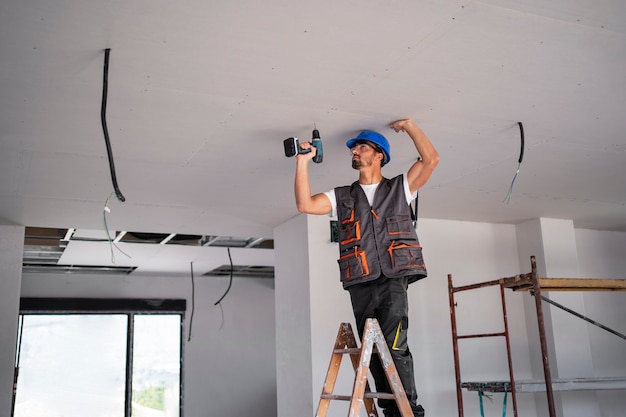
Water damage to ceilings is a common issue that many homeowners face, often resulting from leaks, storms, or plumbing mishaps. Addressing ceiling water damage promptly and effectively is crucial to prevent further structural deterioration and potential health hazards such as mold growth. This article outlines quick and reliable methods for ceiling repair, ensuring a safe and aesthetically pleasing home environment.
Identifying Ceiling Water Damage
Before commencing any repair work, it’s critical to accurately identify the extent and source of the water damage. Common indicators include:
- Discoloration or water stains on the ceiling surface.
- Peeling or bubbling paint and wallpaper.
- Sagging or bulging ceiling areas.
- Persistent musty odors indicating possible mold presence.
Recognizing these signs early can avert extensive damage and costly repairs. For comprehensive inspection strategies, discover expert strategies here.
Preliminary Steps Before Repair
Stop the Source of Water
The first step in any repair process is halting the water source. This may involve:
- Fixing leaking roofs or damaged plumbing.
- Sealing windows and doors against rain intrusion.
- Ensuring proper insulation and ventilation to prevent condensation.
Once the source is managed, drying the affected area is essential to prevent mold growth. Learn about our tailored solutions for effective moisture control by visiting this guide.
Assess and Remove Damaged Materials
Evaluate the ceiling material to determine if it requires replacement. In cases of severe damage:
- Remove compromised drywall or plaster.
- Check structural elements like joists for water exposure.
- Dispose of any insulation that has become wet.
For detailed guidance on assessing damage severity, explore advanced guides and tips.
Ceiling Repair Techniques
Patch and Paint
For minor water damage, patching the affected area may suffice. This process includes:
- Applying a suitable filler to small cracks or holes.
- Priming the area to seal water stains.
- Repainting with water-resistant paint to ensure longevity.
Such techniques are effective for minimal damage, maintaining both functionality and appearance. Find out more about this approach to minor repairs.
Full Replacement
In instances of extensive damage, a complete replacement of the ceiling section may be necessary. This involves:
- Cutting out and removing the damaged material.
- Installing new drywall or plasterboard.
- Finishing with proper texturing and painting to match the existing ceiling.
This method ensures structural integrity and restores the ceiling to its original condition. Learn about our tailored solutions for full ceiling replacements.
Conclusion
Efficiently addressing water damage in ceilings is vital for maintaining a safe and healthy living space. By identifying the damage early and employing suitable repair techniques, homeowners can prevent further issues and restore their homes effectively. For comprehensive support and expert solutions, exploring professional resources and guides is highly recommended.